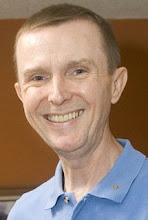
So, how can you take part in a series of fun, informative and inspirational video biography workshops without flying to Tucson, Arizona? Easy - just register for Family Legacy Video's "Video Biography Summer Session" - a series of online Webinars offering professional tips and tricks for planning and producing legacy videos - and learn in the comfort of your own home!
The series is the result of May's successful trial run of "Video Biography 101," Family Legacy Video's first Webinar. Thirty attendees participated in this trial run, which was very well received. Now, Family Legacy Video is expanding its Web offerings - and you're invited to take part.
The online series offers six sessions. The first class, a repeat of "Video Biography 101," kicks off on Tuesday, July 28. If you've already attended this Webinar, you can join the series starting with the second session on August 4. Register for individual sessions, or save some money by selecting either the six-part series (including "Video Biography 101") or the five-part series (excluding "Video Biography 101"). Choose either a morning or evening session.
Afraid you might miss a class? Don't worry - all the classes will be recorded. If you miss one, or just want to review, you'll receive links to the archived recordings. The registration deadline for the six-part series is July 24. For the five-part series, you'll need to sign up by July 31.
You'll find complete information on Family Legacy Video's Workshops & Webinars page. Register now and join us for some hot video biography fun in the summertime!
Thursday, July 02, 2009

Video biography project leads to a high-flying experience
In 2006 I interviewed Charlie Wilson. Charlie is a former B-17 pilot and a large part of his interview focused on his exploits during WWII. Little did I realize that Charlie's video biography would lead to my own flight in a reconditioned B-17 - and a chance to experience, in a very small way, the aircraft that Charlie and his crews flew under very perilous conditions.
Charlie's video biography featured a large amount of archival footage showing B-17 crews in action during the war. The more footage I watched, the more I marveled at the daring, bravery and resilience of both the crews and the machines they flew. I'm sure I remarked to my wife, more than a few times I'm sure, how exciting it would be to fly in a B-17. Then, as a 50th birthday gift, Halina gave me a ticket to what turned out to be the ride of my life.
The Collings Foundation, an organization that preserves vintage aircraft, brought three WWII bombers, all in working order, to Tucson: a B-25 Mitchell; a B-24 Liberator; and a B-17 Flying Fortress. Halina, myself, my mom and brother arrived to find all three planes sitting on the airstrip and open for inspection. We spent some time climbing in and out of each plane - and then it was flight time.
As the flight crew slowly rotated the props to get the oil circulating, my group of ten passengers climbed into the plane. I was lucky to get a seat behind the co-pilot (not a seat, really, just a patch of deck with a seat belt). Across from me, behind the pilot, was a fellow, now retired, who was only six years old when his brother died while piloting a B-17 over Germany. He was flying as a way to honor and remember his brother. His story reminded me how many men sacrificed their lives in planes just like the one we were about to fly.
Then, one by one, the engines kicked in. The plane began to vibrate, the roar from the engines grew and the scents of fuel and oil wafted through the air. Then we were aloft and got the signal to unbuckle and move about the aircraft. My seat mate and I made a beeline for the nose. There, in the area once occupied by a bombardier and gunners, we gazed through the Plexiglas covering at a panoramic view of mountains and homes.
Moving back towards the aft end of the plane, I popped my head through an open hatch and was treated to a breathtaking view of the B-17's tail and the mountains and desert landscape beyond. It was a challenge squeezing my 6'2" frame through the tight confines of the Flying Fortress - but I managed to look out every window and sit or stand in every crew position available (except for pilot and co-pilot, of course).
And then, all too quickly, we were given the signal to buckle up and prepare to land. After a gentle touch down I swung myself out of the hatch and, adrenalin still pumping, rejoined my family.
The ride brought me a much deeper and visceral understanding of the B-17 and also a greater appreciation for the tight and uncomfortable conditions endured by the plane's crews. It was, truly, the ride of a lifetime - one for which I have to thank my wife, the Collings Foundation, Charlie Wilson and all the B-17 crews that risked and sacrificed so much to preserve our freedom.
Charlie's video biography featured a large amount of archival footage showing B-17 crews in action during the war. The more footage I watched, the more I marveled at the daring, bravery and resilience of both the crews and the machines they flew. I'm sure I remarked to my wife, more than a few times I'm sure, how exciting it would be to fly in a B-17. Then, as a 50th birthday gift, Halina gave me a ticket to what turned out to be the ride of my life.
The Collings Foundation, an organization that preserves vintage aircraft, brought three WWII bombers, all in working order, to Tucson: a B-25 Mitchell; a B-24 Liberator; and a B-17 Flying Fortress. Halina, myself, my mom and brother arrived to find all three planes sitting on the airstrip and open for inspection. We spent some time climbing in and out of each plane - and then it was flight time.
As the flight crew slowly rotated the props to get the oil circulating, my group of ten passengers climbed into the plane. I was lucky to get a seat behind the co-pilot (not a seat, really, just a patch of deck with a seat belt). Across from me, behind the pilot, was a fellow, now retired, who was only six years old when his brother died while piloting a B-17 over Germany. He was flying as a way to honor and remember his brother. His story reminded me how many men sacrificed their lives in planes just like the one we were about to fly.
Then, one by one, the engines kicked in. The plane began to vibrate, the roar from the engines grew and the scents of fuel and oil wafted through the air. Then we were aloft and got the signal to unbuckle and move about the aircraft. My seat mate and I made a beeline for the nose. There, in the area once occupied by a bombardier and gunners, we gazed through the Plexiglas covering at a panoramic view of mountains and homes.
Moving back towards the aft end of the plane, I popped my head through an open hatch and was treated to a breathtaking view of the B-17's tail and the mountains and desert landscape beyond. It was a challenge squeezing my 6'2" frame through the tight confines of the Flying Fortress - but I managed to look out every window and sit or stand in every crew position available (except for pilot and co-pilot, of course).
And then, all too quickly, we were given the signal to buckle up and prepare to land. After a gentle touch down I swung myself out of the hatch and, adrenalin still pumping, rejoined my family.
The ride brought me a much deeper and visceral understanding of the B-17 and also a greater appreciation for the tight and uncomfortable conditions endured by the plane's crews. It was, truly, the ride of a lifetime - one for which I have to thank my wife, the Collings Foundation, Charlie Wilson and all the B-17 crews that risked and sacrificed so much to preserve our freedom.
Monday, June 01, 2009
Our first video biography Webinar: The reviews are in!
On May 19, 20 and 21, Family Legacy Video dipped its toes into the waters of online training - and found them warm and inviting.
"Video Biography 101" was the first in what may potentially be a series of sessions offering online video biography education to folks who don't have the time and/or budget to attend a workshop in Tucson, Arizona. Family Legacy Video's Steve Pender hosted the morning, afternoon and evening sessions, which ran between 1 1/2 and 2 hours, depending on the length of the Q&A.
The main purpose was to see if some of Family Legacy Video's in-person workshop material could be successfully adapted to the online Webinar format, where attendees log-in over the Web and communicate with the presenter either via telephone or chat.
Were there some technical glitches? Sure, a few. And certainly Steve encountered a little bit of a learning curve while getting the hang of the new technology. The good news, however, is that the sessions ran pretty smoothly - and the format shows promise.
Here's what a few of the attendees had to say:
Thanks for the Webinar last night. I thought this was GREAT! You are an exceptionally gifted facilitator and teacher. You have so many gifts for this work: A clear voice - excellent pacing and tonal variations. Remarkable! You clearly "held" the meeting together by providing the verbal inputs we continually needed - thanks! I got the feeling that you love what you do and are flexible to work with people. You impressed me with your willingness to share. THANK YOU.
Rakesh K., Massachusetts
That was FANTASTIC! Really a great Webinar! I learned a ton and took over 3 pages of notes. It is really wonderful for me whenever I see someone who does things EXCELLENTLY. It makes me so happy when I see someone who has taken obvious care and pride in the work they do and that is so evident in everything I've seen on your Web site, plus this fantastic Webinar.
David R., California
I wish to thank you for a job well done!! My motivation for attending the Webinar was to review the information that I learned in Tucson last year. It is my assessment that the Webinar method of conveying this type information is appropriate and so convenient. I believe that participants from all levels of knowledge about video biographies will walk away informed, inspired and empowered to produce a project. I truly hope that you find this will augment your current business model and incorporate it as a regular Webinar broadcast service.
Del M., North Carolina
So that's it for Family Legacy Video's first foray into video biography Webinars. If you'd like to receive announcements regarding future sessions, simply sign up for our monthly e-Newsletter here or the Family Legacy Video e-List here.
"Video Biography 101" was the first in what may potentially be a series of sessions offering online video biography education to folks who don't have the time and/or budget to attend a workshop in Tucson, Arizona. Family Legacy Video's Steve Pender hosted the morning, afternoon and evening sessions, which ran between 1 1/2 and 2 hours, depending on the length of the Q&A.
The main purpose was to see if some of Family Legacy Video's in-person workshop material could be successfully adapted to the online Webinar format, where attendees log-in over the Web and communicate with the presenter either via telephone or chat.
Were there some technical glitches? Sure, a few. And certainly Steve encountered a little bit of a learning curve while getting the hang of the new technology. The good news, however, is that the sessions ran pretty smoothly - and the format shows promise.
Here's what a few of the attendees had to say:
Thanks for the Webinar last night. I thought this was GREAT! You are an exceptionally gifted facilitator and teacher. You have so many gifts for this work: A clear voice - excellent pacing and tonal variations. Remarkable! You clearly "held" the meeting together by providing the verbal inputs we continually needed - thanks! I got the feeling that you love what you do and are flexible to work with people. You impressed me with your willingness to share. THANK YOU.
Rakesh K., Massachusetts
That was FANTASTIC! Really a great Webinar! I learned a ton and took over 3 pages of notes. It is really wonderful for me whenever I see someone who does things EXCELLENTLY. It makes me so happy when I see someone who has taken obvious care and pride in the work they do and that is so evident in everything I've seen on your Web site, plus this fantastic Webinar.
David R., California
I wish to thank you for a job well done!! My motivation for attending the Webinar was to review the information that I learned in Tucson last year. It is my assessment that the Webinar method of conveying this type information is appropriate and so convenient. I believe that participants from all levels of knowledge about video biographies will walk away informed, inspired and empowered to produce a project. I truly hope that you find this will augment your current business model and incorporate it as a regular Webinar broadcast service.
Del M., North Carolina
So that's it for Family Legacy Video's first foray into video biography Webinars. If you'd like to receive announcements regarding future sessions, simply sign up for our monthly e-Newsletter here or the Family Legacy Video e-List here.
Monday, May 04, 2009
Family Legacy Video offers its first video biography Webinar!
Family Legacy Video's hands-on workshops are a great value - but not everyone can travel to Tucson, Arizona. So Family Legacy Video is harnessing the power of the Internet to bring our workshops to you!
Based on the responses to our recent online survey, we're offering the first in what we hope will be a series of Webinars to help beginners create legacy videos for themselves and their families. If these Webinars are successful, we may plan some more advanced sessions in the future.
What's a Webinar? It's a live, online session incorporating two-way voice via telephone (both standard and Voice over Internet Protocol - VoIP) with visuals delivered directly to your computer monitor. The Webinar is led by a host, in this case Family Legacy Video's president, Steve Pender.
We've titled our first Webinar "Video Biography 101" - think of it as a video biography primer. You'll learn some of the basics, plus you'll have the opportunity for some live Q&A with Steve.
The Webinar is being offered three times in May - a morning session on May 19th, an afternoon session on May 20th and an evening session on May 21. You'll find complete details on the workshop page of the Family Legacy Video Web site.
Based on the responses to our recent online survey, we're offering the first in what we hope will be a series of Webinars to help beginners create legacy videos for themselves and their families. If these Webinars are successful, we may plan some more advanced sessions in the future.
What's a Webinar? It's a live, online session incorporating two-way voice via telephone (both standard and Voice over Internet Protocol - VoIP) with visuals delivered directly to your computer monitor. The Webinar is led by a host, in this case Family Legacy Video's president, Steve Pender.
We've titled our first Webinar "Video Biography 101" - think of it as a video biography primer. You'll learn some of the basics, plus you'll have the opportunity for some live Q&A with Steve.
The Webinar is being offered three times in May - a morning session on May 19th, an afternoon session on May 20th and an evening session on May 21. You'll find complete details on the workshop page of the Family Legacy Video Web site.
Thursday, April 02, 2009
Steve Pender is now a Contributing Expert for the Smart Women's Cafe
 Family Legacy Video's Steve Pender recently joined the Smart Women’s Café as a Contributing Expert.
The Smart Women's Café is a new and exciting online networking and coaching site tailored to women. Site founder Katana Abbott invited Steve to join the Café after following his video biography work for almost a year via the Family Legacy Video Web site and e-Newsletter. Steve is part of the Designated Daughter Tea Room, where he will offer advice related to creating life story legacies on video. He'll also be interviewed for a Smart Women's Radio podcast this May.
Add professional audio to your consumer camcorder
Consumer camcorders have their limitations when it comes to audio. But there's a neat device that can give your camcorder some professional audio capabilities.
For starters, most consumer camcorders have one stereo audio track. Those camcorders that have a connection for an external microphone can usually accommodate only one. And the output from mono microphones (most external microphones you'll find are mono) is sent to only the left or right channel of the stereo track. This means if you want the voice of your interview subject to come out of both left and right speakers when you play your final video, you'll need to copy the voice from one side of the track to the other during your edit.
By contrast, professional cameras usually feature two separate microphone inputs, which comes in handy when you want to record a conversation between two people. Professional audio cables are sturdier than consumer audio cables. Pro cables are also better shielded, which helps to keep unwanted noise, like radio frequencies and electrical hum, from invading your interview. Professional audio cables also have sturdy, three-pin connectors, called XLR connectors. XLR connectors actually latch (that's what the "L" in "XLR" stands for) into the camera inputs. This means you can't accidentally pull out the audio cable during a recording - something that can happen with a consumer-style mini plug.
"Right," you say. "I'd love to use more professional audio gear. But my consumer budget just won't allow me to buy a professional camera and the gear associated with it. What do I do?"
The answer in two words: audio adapter.
An audio adapter contains two XLR inputs, line/mic switches and a mono/stereo selector. It also features two volume controls as well as a mini-jack where you can plug in a wireless microphone receiver. A short cable with a mini plug connects the output of the adapter to the microphone input of your camera.
The adapter mounts on your tripod. You then mount your camera on the adapter.
An adapter is a great, low-cost option to "soup up" your camcorder's audio capabilities. Companies like BeachTek make adapters for specific camera brands as well as "one size fits all" models. BeachTek currently advertises one such model, the DXA-2s Dual XLR Compact Adapter. B&H Photo Video also offers BeachTek products - so visit both companies to do some price comparisons. Each company also occasionally offers used units or floor models at discounted prices.
By the way, if you chose to go the adapter route you're also going to need professional audio cables. But if you can't afford professional microphones with XLR connectors as well, don't despair. You can continue to use your lapel microphone with the mini plug by purchasing an audio cable that has a female mini connector at one end and a professional male XLR connector on the other. You'll find such a cable made by a company called Comprehensive. A 25-footer should cost you around $20.
For starters, most consumer camcorders have one stereo audio track. Those camcorders that have a connection for an external microphone can usually accommodate only one. And the output from mono microphones (most external microphones you'll find are mono) is sent to only the left or right channel of the stereo track. This means if you want the voice of your interview subject to come out of both left and right speakers when you play your final video, you'll need to copy the voice from one side of the track to the other during your edit.
By contrast, professional cameras usually feature two separate microphone inputs, which comes in handy when you want to record a conversation between two people. Professional audio cables are sturdier than consumer audio cables. Pro cables are also better shielded, which helps to keep unwanted noise, like radio frequencies and electrical hum, from invading your interview. Professional audio cables also have sturdy, three-pin connectors, called XLR connectors. XLR connectors actually latch (that's what the "L" in "XLR" stands for) into the camera inputs. This means you can't accidentally pull out the audio cable during a recording - something that can happen with a consumer-style mini plug.
"Right," you say. "I'd love to use more professional audio gear. But my consumer budget just won't allow me to buy a professional camera and the gear associated with it. What do I do?"
The answer in two words: audio adapter.
An audio adapter contains two XLR inputs, line/mic switches and a mono/stereo selector. It also features two volume controls as well as a mini-jack where you can plug in a wireless microphone receiver. A short cable with a mini plug connects the output of the adapter to the microphone input of your camera.
The adapter mounts on your tripod. You then mount your camera on the adapter.
An adapter is a great, low-cost option to "soup up" your camcorder's audio capabilities. Companies like BeachTek make adapters for specific camera brands as well as "one size fits all" models. BeachTek currently advertises one such model, the DXA-2s Dual XLR Compact Adapter. B&H Photo Video also offers BeachTek products - so visit both companies to do some price comparisons. Each company also occasionally offers used units or floor models at discounted prices.
By the way, if you chose to go the adapter route you're also going to need professional audio cables. But if you can't afford professional microphones with XLR connectors as well, don't despair. You can continue to use your lapel microphone with the mini plug by purchasing an audio cable that has a female mini connector at one end and a professional male XLR connector on the other. You'll find such a cable made by a company called Comprehensive. A 25-footer should cost you around $20.
Wednesday, March 04, 2009
On quilts and life stories.
My wife, Halina, visited a quilting expo recently. She came back with vivid descriptions of the many beautiful, handmade quilts on display. As she spoke, some of the patchwork quilts I've seen in the past came to mind. You probably know the kind, the ones composed of fabric swatches of all shapes and colors. And I realized these quilts had parallels to family history.
How? As I see it, our families certainly are "crazy quilts," composed of people of all shapes, sizes and colors; sporting a wide range of political leanings, philosophies and religions. In our family quilts, life stories are the swatches; memories are the threads that bind those swatches one to another. Stitched together, each life story becomes an integral part of the whole. And just like the quilts created at quilting bees, each of our "family quilts" has its own personality and character.
But fail to record those life stories and memories will begin to fade; the ties that bind, that tell us who we are and where we come from will loosen. Our family quilt will lose one swatch, then two, then more. Pretty soon our quilt will start looking like Swiss cheese. Eventually we may have no quilt at all.
That's why I think recording family history, particularly through video biographies, is so important. Video serves to keep our stories and storytellers alive. The greater the number of life stories we collect and pass on, the more complete our family quilts will be. And as the years pass, our quilts will grow larger, keeping each of us warm in the knowledge of where we came from and where we fit into the fabric our own family history.
How? As I see it, our families certainly are "crazy quilts," composed of people of all shapes, sizes and colors; sporting a wide range of political leanings, philosophies and religions. In our family quilts, life stories are the swatches; memories are the threads that bind those swatches one to another. Stitched together, each life story becomes an integral part of the whole. And just like the quilts created at quilting bees, each of our "family quilts" has its own personality and character.
But fail to record those life stories and memories will begin to fade; the ties that bind, that tell us who we are and where we come from will loosen. Our family quilt will lose one swatch, then two, then more. Pretty soon our quilt will start looking like Swiss cheese. Eventually we may have no quilt at all.
That's why I think recording family history, particularly through video biographies, is so important. Video serves to keep our stories and storytellers alive. The greater the number of life stories we collect and pass on, the more complete our family quilts will be. And as the years pass, our quilts will grow larger, keeping each of us warm in the knowledge of where we came from and where we fit into the fabric our own family history.
Monday, February 02, 2009
Preserve your love story for generations.
Chocolate, flowers, a heart-shaped card and a candlelit meal are all the standard trappings of a Valentine's Day celebration. But it's about time another item was added to the list. I'm talking about video.
Why video? Because the love story you share with your wife, partner or significant other is special and unique. It deserves to be told and preserved and shared. And video provides the perfect medium to do just that.
Here are some ideas:
Surprise your partner. Record your remembrances of your first meeting, your courtship and, if applicable, your wedding or civil union. Talk about what makes him or her special and how he/she has enriched your life. Don't be afraid to let your emotions show. Then, add some music and photos to your on-camera appearance, put the finished video on a DVD and wrap it in a beautiful gift box. Then, play the DVD as soon as the box is opened. A romantic present like this will knock your loved one's socks off - and his/her appreciation for the video will last long after the chocolates are gone.
Make it a team effort. Using one or two cameras, expand on the idea above by videotaping your reminiscences together. You and your sweetheart are sure to have a lot of fun during the taping - and you may even uncover a few surprises as you compare stories and memories.
Say it in pictures. If you're a person of few words, create a photo and music montage for your partner. You might start with photos of your lives before you met, and then progress to courtship, marriage, civil union, etc. The right photos, accompanied by the perfect melody, will touch your true love's heart and remain a valued keepsake for years to come.
Finally, don't forget your parents! If your parents or grandparents or favorite aunts and uncles are still alive, why not preserve their love stories? They'll thank you for it, and you'll be creating more inspiring videos to add your family history video collection.
Why video? Because the love story you share with your wife, partner or significant other is special and unique. It deserves to be told and preserved and shared. And video provides the perfect medium to do just that.
Here are some ideas:
Surprise your partner. Record your remembrances of your first meeting, your courtship and, if applicable, your wedding or civil union. Talk about what makes him or her special and how he/she has enriched your life. Don't be afraid to let your emotions show. Then, add some music and photos to your on-camera appearance, put the finished video on a DVD and wrap it in a beautiful gift box. Then, play the DVD as soon as the box is opened. A romantic present like this will knock your loved one's socks off - and his/her appreciation for the video will last long after the chocolates are gone.
Make it a team effort. Using one or two cameras, expand on the idea above by videotaping your reminiscences together. You and your sweetheart are sure to have a lot of fun during the taping - and you may even uncover a few surprises as you compare stories and memories.
Say it in pictures. If you're a person of few words, create a photo and music montage for your partner. You might start with photos of your lives before you met, and then progress to courtship, marriage, civil union, etc. The right photos, accompanied by the perfect melody, will touch your true love's heart and remain a valued keepsake for years to come.
Finally, don't forget your parents! If your parents or grandparents or favorite aunts and uncles are still alive, why not preserve their love stories? They'll thank you for it, and you'll be creating more inspiring videos to add your family history video collection.
Friday, January 16, 2009
Dates set for our 2009 video biography workshops!
If you have a desire to learn hands-on video biography tips and techniques from the pros, you'll want to join one or both of Family Legacy Video's video biography events this April:
Create Your Own Video Biography (April 17-19): A comprehensive introduction to the video biography production process. Steve is joined by video veterans Dan Crapsi and Ginny Temple. You'll leave this three-day event with the inspiration and information you need to start your own video biography project.
The Business of Video Biographies (April 20): Steve shares his experience in the video bio business, answers your questions and helps you brainstorm ideas for your personal history video business. Graphic designer Dan Blumenthal shows how to create two keys to marketing success: a logo and a graphic identity for your company.
Why attend a Family Legacy Video workshop?
Our workshops are unique - the only ones we know of that focus entirely on the video biography process.
The workshops are comprehensive - leaving you with knowledge and hands-on experience that will jumpstart your video biography hobby or business.
The workshops are great fun - you'll have a blast learning professional video biography tips and techniques AND you'll meet some terrific people.
Family Legacy Video workshops don't happen every day - our April workshops are the only ones we'll hold this year.
The Early Bird registration deadline is March 6. We need a minimum of 12 registrations by this date in order for the workshops to go forward. The earlier we reach the minimum, the earlier we can give the "all clear" to buy those non-refundable advance purchase tickets to Tucson. Plus, you'll save when you sign up at the discounted Early Bird rate. If we don't reach the minimum, don't worry. You'll receive a prompt refund.
You'll find complete details on Family Legacy Video's workshop page.
One more thing - Tucson is a great place to visit in April. You'll find a list of links to Tucson-area attractions at the bottom of the workshop page.
Don't wait - register today!
Create Your Own Video Biography (April 17-19): A comprehensive introduction to the video biography production process. Steve is joined by video veterans Dan Crapsi and Ginny Temple. You'll leave this three-day event with the inspiration and information you need to start your own video biography project.
The Business of Video Biographies (April 20): Steve shares his experience in the video bio business, answers your questions and helps you brainstorm ideas for your personal history video business. Graphic designer Dan Blumenthal shows how to create two keys to marketing success: a logo and a graphic identity for your company.
Why attend a Family Legacy Video workshop?
Our workshops are unique - the only ones we know of that focus entirely on the video biography process.
The workshops are comprehensive - leaving you with knowledge and hands-on experience that will jumpstart your video biography hobby or business.
The workshops are great fun - you'll have a blast learning professional video biography tips and techniques AND you'll meet some terrific people.
Family Legacy Video workshops don't happen every day - our April workshops are the only ones we'll hold this year.
The Early Bird registration deadline is March 6. We need a minimum of 12 registrations by this date in order for the workshops to go forward. The earlier we reach the minimum, the earlier we can give the "all clear" to buy those non-refundable advance purchase tickets to Tucson. Plus, you'll save when you sign up at the discounted Early Bird rate. If we don't reach the minimum, don't worry. You'll receive a prompt refund.
You'll find complete details on Family Legacy Video's workshop page.
One more thing - Tucson is a great place to visit in April. You'll find a list of links to Tucson-area attractions at the bottom of the workshop page.
Don't wait - register today!
Tuesday, January 06, 2009
Some inspiration for 2009
"The work that personal historians do is sacred. It's the work of the soul. It's blissful and heartfelt work."
So said James Walsh as he began his presentation at an annual conference of the Association of Personal Historians. Walsh teaches history at the University of Colorado in Denver. He focuses on the oral tradition. This tradition - passing along history through the stories of the participants - is near and dear to the hearts of all of us creating video biographies, whether we do it as a profession or as a hobby.
Walsh continued by recounting an African proverb that says there are two stages of death. The first stage is sasha. Sasha are people who have passed away physically - but the living still remember them and tell their stories. So the sasha are not yet dead. The second stage is zamani. Zamani are people who have also passed away physically. However, the living no longer remember them, nor do they tell their stories. Zamani are truly dead.
What a powerful proverb - and it connects perfectly with the quote at the beginning of this article. Speaking for myself, the work I do as a personal historian, as a video biographer working through Family Legacy Video, does make me feel blissful and is certainly heartfelt. It is indeed sacred and the work of the soul. And it is dedicated to making sure my clients and my family remain sasha, not zamani, after they depart this physical world.
And yet there are many who feel they have nothing to say, that their life stories don't merit telling and preserving. To this I offer another story related by James Walsh. He was a young man from a Pennyslvania steel town, blue collar through and through, plopped down in the middle of Duke University thanks to a wrestling scholarship. He had little in common with his classmates and felt quite insecure in class. As a result he sat in the back, saying little.
One day, his professor pulled him out of class. "Walsh," asked the professor. "Why aren't you talking in class?"
"Well professor," the young man answered, "I guess I don't think my ideas are very good."
With that, the professor slammed down his fist. "Let me ask you this," he exclaimed. "How many people in the history of the planet will ever see the world from your perspective?"
Walsh thought for a moment and then answered, "No one."
"So," said the professor. "If you won't tell us what the view is like, who will?"
Exactly - who will describe the unique views and perspectives of your life, or those of your parents, grandparents or other relatives if you or they do not?
The answer is obvious. By capturing and preserving our stories through video biographies we celebrate our unique views of the world and of our places in it. We share and relish our video bios while we're alive. And then, after we depart this earthly coil, our stories, as told by us, remain to be enjoyed by future generations of our families, keeping our memories alive, connecting our family past with its present and future - and keeping us sasha.
If this isn't sacred, the work of the soul, I don't know what is.
If you've already started preserving your family storytellers on video, bravo! If you haven't begun yet - start. Now.
And remember that Family Legacy Video is here to help.
So said James Walsh as he began his presentation at an annual conference of the Association of Personal Historians. Walsh teaches history at the University of Colorado in Denver. He focuses on the oral tradition. This tradition - passing along history through the stories of the participants - is near and dear to the hearts of all of us creating video biographies, whether we do it as a profession or as a hobby.
Walsh continued by recounting an African proverb that says there are two stages of death. The first stage is sasha. Sasha are people who have passed away physically - but the living still remember them and tell their stories. So the sasha are not yet dead. The second stage is zamani. Zamani are people who have also passed away physically. However, the living no longer remember them, nor do they tell their stories. Zamani are truly dead.
What a powerful proverb - and it connects perfectly with the quote at the beginning of this article. Speaking for myself, the work I do as a personal historian, as a video biographer working through Family Legacy Video, does make me feel blissful and is certainly heartfelt. It is indeed sacred and the work of the soul. And it is dedicated to making sure my clients and my family remain sasha, not zamani, after they depart this physical world.
And yet there are many who feel they have nothing to say, that their life stories don't merit telling and preserving. To this I offer another story related by James Walsh. He was a young man from a Pennyslvania steel town, blue collar through and through, plopped down in the middle of Duke University thanks to a wrestling scholarship. He had little in common with his classmates and felt quite insecure in class. As a result he sat in the back, saying little.
One day, his professor pulled him out of class. "Walsh," asked the professor. "Why aren't you talking in class?"
"Well professor," the young man answered, "I guess I don't think my ideas are very good."
With that, the professor slammed down his fist. "Let me ask you this," he exclaimed. "How many people in the history of the planet will ever see the world from your perspective?"
Walsh thought for a moment and then answered, "No one."
"So," said the professor. "If you won't tell us what the view is like, who will?"
Exactly - who will describe the unique views and perspectives of your life, or those of your parents, grandparents or other relatives if you or they do not?
The answer is obvious. By capturing and preserving our stories through video biographies we celebrate our unique views of the world and of our places in it. We share and relish our video bios while we're alive. And then, after we depart this earthly coil, our stories, as told by us, remain to be enjoyed by future generations of our families, keeping our memories alive, connecting our family past with its present and future - and keeping us sasha.
If this isn't sacred, the work of the soul, I don't know what is.
If you've already started preserving your family storytellers on video, bravo! If you haven't begun yet - start. Now.
And remember that Family Legacy Video is here to help.
Monday, November 24, 2008
Mixing it up - tips for your video biography audio mix.
You've just completed combining all the visual elements of your first video biography. Everything is in place - the interviews, narration, photos, text, etc. But don't breathe a sigh of relief yet - the audio mix is next! Maybe you have only two tracks of audio (interview and music) or perhaps you have three, four or more tracks holding various interviews, music cuts and sound effects. No matter how few or how many tracks you need to combine, the prospect can be a bit daunting. Here are some tips that may help.
Take it one layer at a time.
Think of the audio portion of your project as a layer cake. Instead of trying to mix together everything at once, concentrate on adding to the mix one layer at a time.
Voice first.
The voice track is the most important audio element of your piece. So start by turning off or disabling all the audio tracks except for the track that has the interview. You're not deleting these other tracks, mind you, just temporarily turning them off so you hear only your interview. After you've done this, play your video from beginning to end, adjusting the voice levels along the way. Your editing software should have a visible VU meter that shows the audio levels as you go. Your aim is to keep your voice levels sounding natural, consistent and, most important, out of the red! If they peak into the red area of your VU meter, go back and adjust the levels so they stay in the green. Red levels will result in unpleasant snaps, crackles and pops when you convert your video to a DVD.
Music next.
Once you have the level of your voice track where you want it, turn on the track containing your music. Remember, the music's purpose is to set a tone (historic and/or emotional) that supports the interview. So don't blast your levels or make them too faint. Aim for a balance that enhances the interview and doesn't drown it out. And continue to keep an eye on your levels. The combined level of the voice and sound will be higher than the level of the voice alone. You may have a mix that sounds great but peaks into the red. If that happens, go back and lower the voice and music until they're in the green.
Sound effects last.
The time to mix in your sound effects is after you've mixed your music and voice. By now you should have the hang of this audio mixing routine and are keeping an eagle eye on your audio levels.
One final note: A successful mix actually begins when you start editing your video. Be logical about how you lay out your audio tracks as you edit. For example, if you have one interview put the audio for that interview on one track only. Assign one track (or two or more as needed) as your music track and put your sound effects on another track. If your editing software allows you to name your tracks, do so. Having your tracks clearly labeled and organized will make it easier for you to layer them when mixing time comes.
Take it one layer at a time.
Think of the audio portion of your project as a layer cake. Instead of trying to mix together everything at once, concentrate on adding to the mix one layer at a time.
Voice first.
The voice track is the most important audio element of your piece. So start by turning off or disabling all the audio tracks except for the track that has the interview. You're not deleting these other tracks, mind you, just temporarily turning them off so you hear only your interview. After you've done this, play your video from beginning to end, adjusting the voice levels along the way. Your editing software should have a visible VU meter that shows the audio levels as you go. Your aim is to keep your voice levels sounding natural, consistent and, most important, out of the red! If they peak into the red area of your VU meter, go back and adjust the levels so they stay in the green. Red levels will result in unpleasant snaps, crackles and pops when you convert your video to a DVD.
Music next.
Once you have the level of your voice track where you want it, turn on the track containing your music. Remember, the music's purpose is to set a tone (historic and/or emotional) that supports the interview. So don't blast your levels or make them too faint. Aim for a balance that enhances the interview and doesn't drown it out. And continue to keep an eye on your levels. The combined level of the voice and sound will be higher than the level of the voice alone. You may have a mix that sounds great but peaks into the red. If that happens, go back and lower the voice and music until they're in the green.
Sound effects last.
The time to mix in your sound effects is after you've mixed your music and voice. By now you should have the hang of this audio mixing routine and are keeping an eagle eye on your audio levels.
One final note: A successful mix actually begins when you start editing your video. Be logical about how you lay out your audio tracks as you edit. For example, if you have one interview put the audio for that interview on one track only. Assign one track (or two or more as needed) as your music track and put your sound effects on another track. If your editing software allows you to name your tracks, do so. Having your tracks clearly labeled and organized will make it easier for you to layer them when mixing time comes.
Friday, October 03, 2008
Unexpected benefits of video biographies
Video biographies are certainly wonderful ways to capture and preserve your precious personal stories and family history. They also tend to generate surprise benefits as well. Here are a few examples from Family Legacy Video's files:
Uncovering an Olympic moment.
Mary-Lou and Dick are a wonderful couple here in Tucson, Arizona. Mary-Lou's dad was a track star for Cornell around 1910. He also ran in the 1912 Olympic Games in Stockholm. During the course of producing their video biography, the couple asked me if I thought there might be film of the 1912 race. I checked with the International Olympic Committee - and sure enough, they uncovered a film clip from that long-ago event. Long story short: A copy of that race, on DVD, now occupies a place of honor in Mary-Lou and Dick's family archives. By the way, when Mary-Lou, who is in her eighties, watched the clip of the race, it was the first time she saw her dad run. Her reaction: "You can't imagine what a thrill it was to see Dad running. That was an amazing thing you did for us but it meant the most to me. Thank you again and again."
Reconnecting with family.
Doug hired Family Legacy Video to create a video bio featuring his mom, Marion. She detailed events that her kid sister never knew occurred. After watching the video, her sister and other relatives rekindled their relationships with Marion. Here's how Doug described what happened: "Mother's only surviving sister, who is seventeen years younger, was not aware of the Washington adventures and many other items that the three older children had experienced. Mother and her sister are now much closer because of the video. Many nieces and nephews with whom she'd had little contact are now in touch with her again. Thank you for providing us with a Family Legacy Video that will be passed down and enjoyed by our family throughout the coming generations."
Inspiring a new interest in family history.
Family Legacy Video recently taped a conversation between two brothers, Will and Pren. They had a great time recounting their family history and adventures. The project inspired Pren to do even more to preserve his family history. According to his daughter: "One of the hidden benefits of this project was the search for family photos to include in the video. I really enjoyed looking through them all with my parents, and labeling them for future generations. What a treasure! I am so glad we did this now. My father has been so inspired that he has taken on a new project – he found boxes and boxes of slides in the basement of his Illinois home and has been scanning them. He's really enjoying it and it’s been great to see those old photos too."
Finally telling the full story.
Len made his fortune in Peru, arriving there early in 1940. He had many fascinating adventures, both business and personal, to relate. He was most interested in detailing his business success. At the end of his interview (which stretched over three days) he had this to say: "I am very appreciative. I look forward to giving my children my background. I've always told them a little bit here and a little bit there, but never the complete story."
Every video biography project Family Legacy Video undertakes results in benefits like those above. So don't wait - get started on your family video biography project today. The benefits, both apparent and unexpected, will thrill you.
Uncovering an Olympic moment.
Mary-Lou and Dick are a wonderful couple here in Tucson, Arizona. Mary-Lou's dad was a track star for Cornell around 1910. He also ran in the 1912 Olympic Games in Stockholm. During the course of producing their video biography, the couple asked me if I thought there might be film of the 1912 race. I checked with the International Olympic Committee - and sure enough, they uncovered a film clip from that long-ago event. Long story short: A copy of that race, on DVD, now occupies a place of honor in Mary-Lou and Dick's family archives. By the way, when Mary-Lou, who is in her eighties, watched the clip of the race, it was the first time she saw her dad run. Her reaction: "You can't imagine what a thrill it was to see Dad running. That was an amazing thing you did for us but it meant the most to me. Thank you again and again."
Reconnecting with family.
Doug hired Family Legacy Video to create a video bio featuring his mom, Marion. She detailed events that her kid sister never knew occurred. After watching the video, her sister and other relatives rekindled their relationships with Marion. Here's how Doug described what happened: "Mother's only surviving sister, who is seventeen years younger, was not aware of the Washington adventures and many other items that the three older children had experienced. Mother and her sister are now much closer because of the video. Many nieces and nephews with whom she'd had little contact are now in touch with her again. Thank you for providing us with a Family Legacy Video that will be passed down and enjoyed by our family throughout the coming generations."
Inspiring a new interest in family history.
Family Legacy Video recently taped a conversation between two brothers, Will and Pren. They had a great time recounting their family history and adventures. The project inspired Pren to do even more to preserve his family history. According to his daughter: "One of the hidden benefits of this project was the search for family photos to include in the video. I really enjoyed looking through them all with my parents, and labeling them for future generations. What a treasure! I am so glad we did this now. My father has been so inspired that he has taken on a new project – he found boxes and boxes of slides in the basement of his Illinois home and has been scanning them. He's really enjoying it and it’s been great to see those old photos too."
Finally telling the full story.
Len made his fortune in Peru, arriving there early in 1940. He had many fascinating adventures, both business and personal, to relate. He was most interested in detailing his business success. At the end of his interview (which stretched over three days) he had this to say: "I am very appreciative. I look forward to giving my children my background. I've always told them a little bit here and a little bit there, but never the complete story."
Every video biography project Family Legacy Video undertakes results in benefits like those above. So don't wait - get started on your family video biography project today. The benefits, both apparent and unexpected, will thrill you.
Thursday, September 11, 2008
I've been framed!
Occasionally customers ask me to edit interviews they've shot themselves. I'm only too happy to help them turn their raw interviews into more polished videos. Unfortunately, I can't do much about the picture quality, which usually suffers from insufficient lighting and hollow, low-level sound. Most of the time, there's also a third problem: shot composition. Now, even if you don't want to bother with lights and you're happy with the sound off your camera's onboard microphone, the one thing you can do to flatter your subject is to properly compose your shot.
Very simply, shot composition is the way you frame a picture. For some reason, many amateur videographers frame their subjects very widely. A wide shot showing the interview subject from head to toe can certainly serve to introduce your subject and his/her location, but it doesn't bring a quality that's desirable for a conversation, either in person or on video. That quality is intimacy.
Think about it. During most of your conversations, you're only a few feet away, at most, from the person to whom you're speaking. While you're conversing, you're looking in each other's eyes and reading facial expressions. These visual cues, in addition to the content of the conversation, draw you in and help maintain your interest. You should strive to provide viewers of your video interviews with this same "up close and personal" experience.
Here are some tips for composing a more intimate interview:
Very simply, shot composition is the way you frame a picture. For some reason, many amateur videographers frame their subjects very widely. A wide shot showing the interview subject from head to toe can certainly serve to introduce your subject and his/her location, but it doesn't bring a quality that's desirable for a conversation, either in person or on video. That quality is intimacy.
Think about it. During most of your conversations, you're only a few feet away, at most, from the person to whom you're speaking. While you're conversing, you're looking in each other's eyes and reading facial expressions. These visual cues, in addition to the content of the conversation, draw you in and help maintain your interest. You should strive to provide viewers of your video interviews with this same "up close and personal" experience.
Here are some tips for composing a more intimate interview:
- No wide shots, please. The widest you should frame your subject is from the waist up.
- Change your shots. At the beginning of the interview, pick three focal lengths - medium (from the waist up); medium close up (from the chest up); and close up (from the neck up). Switch between these shots while you ask your questions to give your interview some much needed visual variety.
- Place your camera lens at your subject's eye level. Unless you're going for some kind of special effect, don't place your camera too high or too low in relation to your subject. Remember, when we're seated we're all at about the same eye level. It's more natural when you frame your shot this way.
- Don't try to do it all. If you're the interviewer, get someone else to run the camera. This way, you can focus on the content of the interview while someone else pays attention to the composition. It's very tough to do both things at once.
Monday, July 14, 2008
Video biography workshops slated for October
Tucson’s Family Legacy Video, Inc., a pioneer in the personal video biography field, is holding two unique video biography workshops in Tucson in October, 2008.
From October 17 to 19, a three-day workshop entitled “Create Your Own Video Biography” ushers attendees through the process of creating their own family history video projects. Participants will learn how to draft questions, light, shoot and conduct interviews and prepare for editing.
On October 20, Family Legacy Video presents “The Business of Video Biographies.” This one-day workshop is aimed at budding video biographers interested in starting their own businesses. Topics ranging from the kinds (and costs) of video gear required, to marketing and pricing services will be discussed.
Family Legacy Video president Steve Pender hosts the two workshops, which will also feature presentations by the Phoenix production team of Dan Crapsi and Ginny Temple and Tucson-based marketing expert Dan Blumenthal. Pender is an award-winning scriptwriter, video editor, director and producer with over 29 years of experience. He is the author of the Family Legacy Video Producer’s Guide.
Discounted “early bird” workshop registration is being offered until July 28, 2008. The final registration deadline is October 4, 2008. Complete workshop details are available on the workshop page of the Family Legacy Video Web site or by calling 520.743.4090.
From October 17 to 19, a three-day workshop entitled “Create Your Own Video Biography” ushers attendees through the process of creating their own family history video projects. Participants will learn how to draft questions, light, shoot and conduct interviews and prepare for editing.
On October 20, Family Legacy Video presents “The Business of Video Biographies.” This one-day workshop is aimed at budding video biographers interested in starting their own businesses. Topics ranging from the kinds (and costs) of video gear required, to marketing and pricing services will be discussed.
Family Legacy Video president Steve Pender hosts the two workshops, which will also feature presentations by the Phoenix production team of Dan Crapsi and Ginny Temple and Tucson-based marketing expert Dan Blumenthal. Pender is an award-winning scriptwriter, video editor, director and producer with over 29 years of experience. He is the author of the Family Legacy Video Producer’s Guide.
Discounted “early bird” workshop registration is being offered until July 28, 2008. The final registration deadline is October 4, 2008. Complete workshop details are available on the workshop page of the Family Legacy Video Web site or by calling 520.743.4090.
Damn the technology - full speed ahead!
I'd like to put my parents' stories on a DVD, but what happens when DVDs become obsolete? How will future generations of my family play the video?
I hear variations of this question all the time. My short answer is always, "Don't worry, preserve your family history using the technology available to you now. Don't let fear of future technologies keep you from capturing your family stories today."
I say this for a couple of reasons. First, history shows that, as audio and video recording technologies evolve, so do ways of transferring older technologies to the new. Second, "elderly" technologies tend to exist side-by-side with the new kids on the block for years.
My opinions on this subject were recently reinforced in a very delightful way when Arlo Guthrie brought his "Guthrie Family Legacy Tour" to Tucson. He took to the stage with his son, daughter, son-in-law and granddaughter to celebrate a musical legacy begun by Arlo's dad, Woody Guthrie.
Woody Guthrie left behind a huge body of work. But, as Arlo told the audience, one thing his father's legacy lacked was a concert recording. Nowhere was there an audio record of Woody's interaction with an audience - or so the family thought, until a gentleman walked into the Guthrie Archives office with an old wire recording of a Woody Guthrie concert performance in New York City, circa the 1940s. Wire recorders predate magnetic audiotape - and yet this vintage performance now exists on a CD which will shortly be released for sale.
After telling this story, Arlo treated the audience to a couple of minutes of his dad's on-stage banter. The moment was magical. As Woody's voice filled the theatre, there were, in fact, four generations of this musical family represented on stage. And why was this possible? Because someone, nearly 70 years ago, had the foresight to record Woody's performance using the technology on hand.
So don't be inhibited by thoughts of what "might be" when it comes to technology. Preserve your stories on video now. The future will take care of itself.
I hear variations of this question all the time. My short answer is always, "Don't worry, preserve your family history using the technology available to you now. Don't let fear of future technologies keep you from capturing your family stories today."
I say this for a couple of reasons. First, history shows that, as audio and video recording technologies evolve, so do ways of transferring older technologies to the new. Second, "elderly" technologies tend to exist side-by-side with the new kids on the block for years.
My opinions on this subject were recently reinforced in a very delightful way when Arlo Guthrie brought his "Guthrie Family Legacy Tour" to Tucson. He took to the stage with his son, daughter, son-in-law and granddaughter to celebrate a musical legacy begun by Arlo's dad, Woody Guthrie.
Woody Guthrie left behind a huge body of work. But, as Arlo told the audience, one thing his father's legacy lacked was a concert recording. Nowhere was there an audio record of Woody's interaction with an audience - or so the family thought, until a gentleman walked into the Guthrie Archives office with an old wire recording of a Woody Guthrie concert performance in New York City, circa the 1940s. Wire recorders predate magnetic audiotape - and yet this vintage performance now exists on a CD which will shortly be released for sale.
After telling this story, Arlo treated the audience to a couple of minutes of his dad's on-stage banter. The moment was magical. As Woody's voice filled the theatre, there were, in fact, four generations of this musical family represented on stage. And why was this possible? Because someone, nearly 70 years ago, had the foresight to record Woody's performance using the technology on hand.
So don't be inhibited by thoughts of what "might be" when it comes to technology. Preserve your stories on video now. The future will take care of itself.
Thursday, June 26, 2008
Use maps to navigate through your next video biography
Whether you're setting out on a cross country driving tour or wondering how to visually "navigate" through your next video biography, a good map can be a real asset. You can use maps to establish the locations important to your subject's story and also use them to impart a sense of movement to illustrate someone's travels.
For example, I recently used maps to help tell the story of a married couple. The wife was born in the Philippines prior to World War II. I used a map of the Philippines to establish the length and breadth of the island chain and also to show the location of her home island and the areas on that island that figured prominently in her story.
Her husband, a bomber pilot during WWII, hitched rides from Texas to Canada in order to volunteer for the Canadian Royal Air Force. I combined two moving maps, one of Texas and one showing the border of the U.S. and Canada, to help visualize his journey.
Where can you get good maps? I recently found a great resource, a company called Maps.com, which offers a variety of digital maps available for download. They're already digital, which offers convenience (no scanning) and great image quality.
I recommend downloading the PDF versions. First, they're inexpensive (many starting around $6.95). Second, if you have Adobe Photoshop, you can open the maps there and scale and crop them to whatever size you need. You can also add effects to give the maps an aged or period look, add locations, etc.
Then, import the map into your editing software, give it some motion, and you've got a great-looking, low cost visual.
For example, I recently used maps to help tell the story of a married couple. The wife was born in the Philippines prior to World War II. I used a map of the Philippines to establish the length and breadth of the island chain and also to show the location of her home island and the areas on that island that figured prominently in her story.
Her husband, a bomber pilot during WWII, hitched rides from Texas to Canada in order to volunteer for the Canadian Royal Air Force. I combined two moving maps, one of Texas and one showing the border of the U.S. and Canada, to help visualize his journey.
Where can you get good maps? I recently found a great resource, a company called Maps.com, which offers a variety of digital maps available for download. They're already digital, which offers convenience (no scanning) and great image quality.
I recommend downloading the PDF versions. First, they're inexpensive (many starting around $6.95). Second, if you have Adobe Photoshop, you can open the maps there and scale and crop them to whatever size you need. You can also add effects to give the maps an aged or period look, add locations, etc.
Then, import the map into your editing software, give it some motion, and you've got a great-looking, low cost visual.
Monday, May 12, 2008
The Veterans History Project needs you!
"I want to get started in the video biography business, but I need experience. Where do I get it?" It's a common refrain and one I hear often from Family Legacy Video readers and customers. I usually suggest starting out by practicing on family and friends. But here's another option, one that will help preserve the stories of U.S. veterans and give you valuable interviewing experience.
It's the Veterans History Project. Its mission is to locate and interview veterans to record their stories. Whether you plan to create video biographies as a hobby or as a business, one of the most important things you need to do is to learn your craft. And volunteer opportunities like the Veterans History Project are a great way to learn by doing. The Veterans History Project is sponsored by the U.S. Congress and the interviews are housed in the Library of Congress. The main goal of the project is to collect first-hand accounts from U.S. veterans of the following wars: World War I (1914-1920); World War II (1939-1946); Korean War (1950-1955); Vietnam War (1961-1975); Persian Gulf War (1990-1995); and the Afghanistan and Iraq conflicts (2001-present).
You'll find complete information at this Web site: http://www.loc.gov/vets/.
Taking part in the project is a great way to "learn on the job" and add to the historical archives of the United States.
It's the Veterans History Project. Its mission is to locate and interview veterans to record their stories. Whether you plan to create video biographies as a hobby or as a business, one of the most important things you need to do is to learn your craft. And volunteer opportunities like the Veterans History Project are a great way to learn by doing. The Veterans History Project is sponsored by the U.S. Congress and the interviews are housed in the Library of Congress. The main goal of the project is to collect first-hand accounts from U.S. veterans of the following wars: World War I (1914-1920); World War II (1939-1946); Korean War (1950-1955); Vietnam War (1961-1975); Persian Gulf War (1990-1995); and the Afghanistan and Iraq conflicts (2001-present).
You'll find complete information at this Web site: http://www.loc.gov/vets/.
Taking part in the project is a great way to "learn on the job" and add to the historical archives of the United States.
Tuesday, February 19, 2008
Workshops teach video biography techniques for fun & business
Tucson’s Family Legacy Video, Inc., a pioneer in the personal video biography field, is holding two unique video biography workshops in Tucson in April, 2008.
From April 25 to 27, a three-day workshop entitled “Create Your Own Video Biography” ushers attendees through the process of creating their own family history video projects. Participants will learn how to draft questions, light, shoot and conduct interviews and prepare for editing.
On April 28, Family Legacy Video presents “The Business of Video Biographies.” This one-day workshop is aimed at budding video biographers interested in starting or growing their own businesses. Topics ranging from the kinds (and costs) of video gear required, to marketing and pricing services will be discussed.
Family Legacy Video president Steve Pender hosts the two workshops, which will also feature presentations by the Phoenix production team of Dan Crapsi and Ginny Temple and Tucson-based marketing expert Dan Blumenthal. Pender is an award-winning scriptwriter, video editor, director and producer with over 29 years of experience. He is the author of the Family Legacy Video Producer’s Guide. Pender and Family Legacy Video have been featured in both print and broadcast. Print: The Explorer News, the Arizona Daily Star, EventDV, a leading video industry trade magazine, and Miami Monthly Magazine. Broadcast: “Arizona Spotlight” on KUAZ AM/FM and Fox News in Arizona.
Discounted “early bird” workshop registration is being offered until February 29, 2008. The final registration deadline is April 1, 2008. Complete workshop details are available on the workshop page of the Family Legacy Video Web site, or by calling 520.743.4090.
From April 25 to 27, a three-day workshop entitled “Create Your Own Video Biography” ushers attendees through the process of creating their own family history video projects. Participants will learn how to draft questions, light, shoot and conduct interviews and prepare for editing.
On April 28, Family Legacy Video presents “The Business of Video Biographies.” This one-day workshop is aimed at budding video biographers interested in starting or growing their own businesses. Topics ranging from the kinds (and costs) of video gear required, to marketing and pricing services will be discussed.
Family Legacy Video president Steve Pender hosts the two workshops, which will also feature presentations by the Phoenix production team of Dan Crapsi and Ginny Temple and Tucson-based marketing expert Dan Blumenthal. Pender is an award-winning scriptwriter, video editor, director and producer with over 29 years of experience. He is the author of the Family Legacy Video Producer’s Guide. Pender and Family Legacy Video have been featured in both print and broadcast. Print: The Explorer News, the Arizona Daily Star, EventDV, a leading video industry trade magazine, and Miami Monthly Magazine. Broadcast: “Arizona Spotlight” on KUAZ AM/FM and Fox News in Arizona.
Discounted “early bird” workshop registration is being offered until February 29, 2008. The final registration deadline is April 1, 2008. Complete workshop details are available on the workshop page of the Family Legacy Video Web site, or by calling 520.743.4090.
Tuesday, February 12, 2008
Use old family music recordings to score your video
Music can lend emotion and a sense of time and place to any video biography. And if any of the subjects of your video biographies are musicians, you may be able to use some of the music of their lives to lend a very personal touch to their video life stories.
Here are two examples:
A Family Legacy Video Workshop veteran recently finished a video biography that featured her father. Her dad had been a mandolin player and had belonged to a mandolin club during his college days. Years later, he was recorded playing and discussing his favorite tunes. This reel-to-reel audio tape was eventually copied to CD. His daughter then incorporated the words and music from this wonderful family keepsake as a featured element in her family history video.
The father of a current video biography client was an amateur musician. He wrote a tune that his daughter, an accomplished pianist, later recorded. The song, and the story behind it, will be included in the daughter's video biography, preserving it for generations to come.
So while you're considering what to include in a video biography, don't overlook the opportunity to use some of those vintage family audio recordings that have been gathering dust for years. You'll give those audio tapes new life. In turn, they'll bring an added dimension to your production - and help you "score" with your family.
Here are two examples:
A Family Legacy Video Workshop veteran recently finished a video biography that featured her father. Her dad had been a mandolin player and had belonged to a mandolin club during his college days. Years later, he was recorded playing and discussing his favorite tunes. This reel-to-reel audio tape was eventually copied to CD. His daughter then incorporated the words and music from this wonderful family keepsake as a featured element in her family history video.
The father of a current video biography client was an amateur musician. He wrote a tune that his daughter, an accomplished pianist, later recorded. The song, and the story behind it, will be included in the daughter's video biography, preserving it for generations to come.
So while you're considering what to include in a video biography, don't overlook the opportunity to use some of those vintage family audio recordings that have been gathering dust for years. You'll give those audio tapes new life. In turn, they'll bring an added dimension to your production - and help you "score" with your family.
Tuesday, January 08, 2008
Family Legacy Video on the radio - listen in!
On December 21, 2007, I took to the radio airwaves to speak about video biographies. The experience was great fun - and I've archived the segment on the Family Legacy Video Web site so you can listen in!
I was a guest on "Arizona Spotlight," a show broadcast every Friday morning and evening on Tucson's NPR stations KUAZ AM/FM. I actually visited the radio studio on December 5 and spent about a half-hour chatting with the show's host, Mark McLemore. Mark edited the interview down to a little over 7 minutes in length.
I've archived the segment on the Family Legacy Video site. All you have to do to listen is go to the site's radio page. Once there, click on the audio button near the top of the page - don't worry, it's easy to find. I hope you enjoy the interview.
I was a guest on "Arizona Spotlight," a show broadcast every Friday morning and evening on Tucson's NPR stations KUAZ AM/FM. I actually visited the radio studio on December 5 and spent about a half-hour chatting with the show's host, Mark McLemore. Mark edited the interview down to a little over 7 minutes in length.
I've archived the segment on the Family Legacy Video site. All you have to do to listen is go to the site's radio page. Once there, click on the audio button near the top of the page - don't worry, it's easy to find. I hope you enjoy the interview.
Subscribe to:
Posts (Atom)