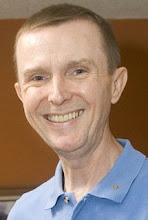
Stuffed cabbage: It's one of my ultimate comfort foods, as well as a delicious reminder of my Polish heritage. Luckily for me, my mother-in-law is the "Queen of Cabbage." She brought her family recipes with her when she emigrated from Poland in 1960. Forty-nine years later, she's still at the top of her game in the kitchen. For me, her stuffed cabbage is the stuff of which dreams are made. Few of her recipes, however, are written down. And when it comes to measuring ingredients, she basically works on the "a little of this, a little of that" standard, which makes preserving her recipes and techniques a bit of a challenge.
Sound familiar? Is your mom, mother-in-law, grandmother or other relative a great cook who works from memory and not from written recipes? Do you want to be able to recreate those scrumptious dishes and pass along your family's culinary traditions to your children and grandchildren? If so, how do you go about it?
Why not try video?
Heck, cooking shows and demonstrations continue to be all the rage on television. We even have entire cable channels filled with nothing but cooks and chefs frying, sautéing, poaching and baking up a storm. Why not take a cue from them and videotape your own family chef as he or she creates some of your clan's signature dishes?
Let's say your subject is stuffed cabbage and the cook in question is your mother-in-law. You might begin your video with a brief on-camera interview, during which she relates the history of the recipe: how she learned to cook it and any memories associated with it. Then we pick her up in the kitchen. She shows you the ingredients involved and then launches into the preparation. Along the way you check her food and spice measurements and she shows off her cooking techniques. Perhaps you throw a second camera into the mix in order to get some close-ups - just like they do on the Food Network. You also take advantage of your time together to chat her up and get her to tell some family stories. In the end, you not only document the creation of a wonderful dish, you also capture some fascinating and fun family lore. And what can be better than that?
After all, the tastes and aromas of our signature family recipes carry lots of associations linked to the special people and times in our lives, including the love that generations of family cooks have liberally sprinkled into the mix. That's what I taste whenever I bite into one of my mother-in-law's homemade stuffed cabbage. It's also what you'll pass along to your children, grandchildren and great-children when you celebrate your own family cooks on video.
Wednesday, September 22, 2010

Wednesday, August 04, 2010
The value of recording life stories
Gene Edminster is a WWII veteran and a member of my Rotary club. I recently interviewed Gene for the Catalina Rotary Veterans Project, an initiative designed to preserve the military and Rotary service stories of veterans who are club members. At the end of our session, I impulsively asked Gene if he saw value in preserving his stories on video. He responded by talking about the war stories he heard from his father, a veteran of WWI, stories that are now thankfully preserved on audio cassettes. But then Gene turned his attention to his wife, recently lost to Alzheimer's Disease, and how he wished he'd recorded her stories. His answer is poignant, heartfelt and direct, so much so that I've included an excerpt in the Family Legacy Video Theatre.
To view the clip, visit the theatre and click on the first item in the playlist, entitled, "Why record personal history?" I don't think you'll ever hear a better answer to the question.
Monday, July 05, 2010
Interested in the video biography business? These Webinars are for you!
I can honestly say I average at least two or more calls or e-mails each week from folks looking for information about running a video biography business. Truth be told, I have my own video biography business to run and just can't take a lot of time out of my day to answer the many questions my callers have. Which is a shame, because it's a subject I love to talk about. But there is a solution - in the form of Family Legacy Video's new two-part Webinar series: The Business of Video Biographies.
Adapted from the in-person workshop I've presented here in Tucson, each session of the two-part Webinar offers practical advice based on my own experiences. In session one, we'll touch on "nuts & bolts" stuff like deciding on a business structure, to pricing and promotion. In session two, you'll meet ace graphic designer Dan Blumenthal. He'll give you invaluable tips on how to create a professional look and identity for your business - and brainstorm ideas with you during the session!
The dates: Wednesday August 18 and 25. Choose from morning or evening sessions. The online classes are a bargain at $40 each or $75 if you sign up for both. For more information and to register, visit our Workshop & Webinar page. Join us! You'll be glad you did.
But - as they say on those late-night infomercials, "Wait, there's more!" If you didn't get a chance to take part in Family Legacy Video's Video Biography Basics Webinar series last winter - you're in luck. The entire six-session series is online. Video Biography Basics provides an in-depth overview of the entire video biography creation process, from planning your project to taping your interviews to editing - and much more. Simply sign up for the sessions that interest you (or the entire series) and you'll be sent links to each recording, which you can stream at your convenience. Again, you'll find all the information you'll need to know on our Workshop & Webinar page.
Adapted from the in-person workshop I've presented here in Tucson, each session of the two-part Webinar offers practical advice based on my own experiences. In session one, we'll touch on "nuts & bolts" stuff like deciding on a business structure, to pricing and promotion. In session two, you'll meet ace graphic designer Dan Blumenthal. He'll give you invaluable tips on how to create a professional look and identity for your business - and brainstorm ideas with you during the session!
The dates: Wednesday August 18 and 25. Choose from morning or evening sessions. The online classes are a bargain at $40 each or $75 if you sign up for both. For more information and to register, visit our Workshop & Webinar page. Join us! You'll be glad you did.
But - as they say on those late-night infomercials, "Wait, there's more!" If you didn't get a chance to take part in Family Legacy Video's Video Biography Basics Webinar series last winter - you're in luck. The entire six-session series is online. Video Biography Basics provides an in-depth overview of the entire video biography creation process, from planning your project to taping your interviews to editing - and much more. Simply sign up for the sessions that interest you (or the entire series) and you'll be sent links to each recording, which you can stream at your convenience. Again, you'll find all the information you'll need to know on our Workshop & Webinar page.
Saturday, June 19, 2010
Study affirms benefits of personal legacy projects
The reported benefits of family legacy videos are usually more anecdotal than clinical. But now and again an official study affirms what video biographers know: personal legacy projects often have profoundly positive mental and physical impacts on storytellers and their families. Who says so? Researchers at the University of Michigan and University of Alabama, that's who.
The "Legacy Project" study is one of the the first studies to examine the benefits of family life review efforts. The study concentrated on individuals with chronic, life-limiting illnesses, aged 60 and older. Researchers helped patients and their family caregivers create personal legacies in video or scrapbook formats; the participants were surveyed throughout the course of the project.
Less difficulty breathing, reduced stress and depression and greater social interaction are some the benefits documented by the study. According to co-author Louis Burgio, a research professor at the University of Michigan, "Working together on a joint project called a legacy improved the quality of life of both patients with life-limiting illness and their family caregivers."
For more details, click here.
The "Legacy Project" study is one of the the first studies to examine the benefits of family life review efforts. The study concentrated on individuals with chronic, life-limiting illnesses, aged 60 and older. Researchers helped patients and their family caregivers create personal legacies in video or scrapbook formats; the participants were surveyed throughout the course of the project.
Less difficulty breathing, reduced stress and depression and greater social interaction are some the benefits documented by the study. According to co-author Louis Burgio, a research professor at the University of Michigan, "Working together on a joint project called a legacy improved the quality of life of both patients with life-limiting illness and their family caregivers."
For more details, click here.
Wednesday, June 02, 2010
Family Legacy Video wins two awards!
Exciting news! Just got word that Family Legacy Video, Inc., has won two Awards of Distinction in the 2010 Communicator Awards competition. Our honors came in the History/Biography category. The winning entries were A Legacy of Family, featuring the life stories of Tucson couple Bill and Wilma Hansen and Charlie's Story, featuring WWII B-17 pilot Charlie Wilson of Austin, Texas.
The Communicator Awards is the leading international awards program honoring creative excellence for communications professionals. The international video competition attracted 7,000 entries this year. The Communicator Awards are judged and overseen by the International Academy of the Visual Arts (IAVA), a 550+ member organization of leading professionals from various disciplines of the visual arts dedicated to embracing progress and the evolving nature of traditional and interactive media.
The Communicator Awards is the leading international awards program honoring creative excellence for communications professionals. The international video competition attracted 7,000 entries this year. The Communicator Awards are judged and overseen by the International Academy of the Visual Arts (IAVA), a 550+ member organization of leading professionals from various disciplines of the visual arts dedicated to embracing progress and the evolving nature of traditional and interactive media.
Monday, May 24, 2010
Jump cuts: Now you see 'em - now you don't.
So you're watching a taped interview on the evening news. The interview subject starts to answer a question, but after about ten words the position of her head suddenly changes from leaning forward to leaning backward. Then, after a few more words, her head suddenly tilts to the left. The audio sounds fine, so what's going on with the video?
What's going on is this: When they got the tape back to the studio, the producer and editor decided to slice and dice the interview a bit. Maybe the subject made a mistake that needed to be eliminated; maybe the producer decided to slap the beginning of one answer onto the end of another; maybe the answer ran too long so the producer had to trim a bit to stay within a defined time. Whatever the reason, the driving factor behind the editing was the audio. And if you closed your eyes and listened to the interview again you probably wouldn't guess it had been edited. But with your eyes open, the edits are obvious. These kinds of edits are called "jump cuts" - because the video image seems to jump at the point of the edit. Jump cuts can be pretty ugly and distracting. But there are ways to apply a little video "sleight of hand" to either hide the jump cuts or at least minimize them.
Cover 'em up:
The best way of dealing with jump cuts is to hide them under visuals. If you have photos, films or other visuals that apply to the subject being discussed, insert them before the jump cuts occur and continue with them on screen until it makes sense to return to your interview subject. If you don't have photos, you might be able to construct something - maybe a text screen that has some relevant information. Whatever you use, just make sure it relates to the topic at hand. Throwing in a visual that doesn't pertain to what's being covered in the interview distracts your viewers from what's being said. Choose the right visuals, however, and they'll reinforce and enhance the interview while hiding those distracting jump cuts. Your viewers will be none the wiser.
Smooth 'em out:
What if you really need to make a cut but you don't have a visual to use as cover? In this case, your best option is to "soften" the cut. One way to do this is to place a dissolve at the cut point. The duration of the dissolve could be as short as three to four frames (known as a "soft cut") or as many as ten. You'll have to experiment and see what looks best to you. While it'll be obvious to viewers that you're making a cut, at least it'll be easier on their eyes.
Another technique you can use is known as a "white flash." Using your editing software, or graphics software like Photoshop, create a graphic screen that is white. Place the screen at the point of the interview edit, let it sit for a few frames, and then dissolve back to the interview. Experiment to see what looks best to you. You might even want to dissolve to the white screen a few frames before the cut, let it linger for several frames, and then use a longer dissolve as you return to your interview. The white flash will help "dress up" the cut a little and make it less distracting.
What's going on is this: When they got the tape back to the studio, the producer and editor decided to slice and dice the interview a bit. Maybe the subject made a mistake that needed to be eliminated; maybe the producer decided to slap the beginning of one answer onto the end of another; maybe the answer ran too long so the producer had to trim a bit to stay within a defined time. Whatever the reason, the driving factor behind the editing was the audio. And if you closed your eyes and listened to the interview again you probably wouldn't guess it had been edited. But with your eyes open, the edits are obvious. These kinds of edits are called "jump cuts" - because the video image seems to jump at the point of the edit. Jump cuts can be pretty ugly and distracting. But there are ways to apply a little video "sleight of hand" to either hide the jump cuts or at least minimize them.
Cover 'em up:
The best way of dealing with jump cuts is to hide them under visuals. If you have photos, films or other visuals that apply to the subject being discussed, insert them before the jump cuts occur and continue with them on screen until it makes sense to return to your interview subject. If you don't have photos, you might be able to construct something - maybe a text screen that has some relevant information. Whatever you use, just make sure it relates to the topic at hand. Throwing in a visual that doesn't pertain to what's being covered in the interview distracts your viewers from what's being said. Choose the right visuals, however, and they'll reinforce and enhance the interview while hiding those distracting jump cuts. Your viewers will be none the wiser.
Smooth 'em out:
What if you really need to make a cut but you don't have a visual to use as cover? In this case, your best option is to "soften" the cut. One way to do this is to place a dissolve at the cut point. The duration of the dissolve could be as short as three to four frames (known as a "soft cut") or as many as ten. You'll have to experiment and see what looks best to you. While it'll be obvious to viewers that you're making a cut, at least it'll be easier on their eyes.
Another technique you can use is known as a "white flash." Using your editing software, or graphics software like Photoshop, create a graphic screen that is white. Place the screen at the point of the interview edit, let it sit for a few frames, and then dissolve back to the interview. Experiment to see what looks best to you. You might even want to dissolve to the white screen a few frames before the cut, let it linger for several frames, and then use a longer dissolve as you return to your interview. The white flash will help "dress up" the cut a little and make it less distracting.
Saturday, April 10, 2010
Chapters: A great way to organize a video biography.
You've videotaped your family interviews and collected your photos, films and other visuals. But now that you sit down to edit, the prospect of creating a video that may run a hour or longer is daunting. Just how do you put together a video biography that's informative and entertaining without getting overwhelmed in the process?
Think: Chapters.
Any large project can be intimidating until you break it down into smaller steps or tasks. Editing your video biography is no different. And organizing your video by chapters is a great way to whittle away at it a little at a time.
If you organized your interview questions efficiently you're probably ahead of the game. It should be easy for you to group your interview segments by themes like "Grandparents," "Parents," "Earliest Memories," "School Days," "The War Years," etc. As you edit, focus on one chapter at a time. Treat each chapter as a "video within a video" with it's own title, musical theme, tempo and unique beginning, middle and end. Focusing only on the chapter you're currently editing will prevent you from being overwhelmed by the total length of your project. Before you know it, you'll be done.
Structuring your video biography around chapters also makes the viewing experience more enjoyable and manageable. It's much easier for your audience to digest material in smaller bits. And by varying the mood and feeling of each chapter you help keep your viewers engaged and interested. A long video without chapter breaks and no variety in music, mood and pacing can lull your audience to sleep - and the last thing you want your family members to do is to wind up using your video biography as a sleep aid.
Chapters also make things easier for folks who don't have the time or the attention span to view an entire video in one sitting. By keeping track of the chapters they watched they'll know exactly where to pick up when they sit down to continue. And if someone wants to revisit a particular section of the video, chapters make it easier to do that, too.
So learn to put together your video biographies one chapter at a time. It'll make things easier on you and more enjoyable for your audience.
Think: Chapters.
Any large project can be intimidating until you break it down into smaller steps or tasks. Editing your video biography is no different. And organizing your video by chapters is a great way to whittle away at it a little at a time.
If you organized your interview questions efficiently you're probably ahead of the game. It should be easy for you to group your interview segments by themes like "Grandparents," "Parents," "Earliest Memories," "School Days," "The War Years," etc. As you edit, focus on one chapter at a time. Treat each chapter as a "video within a video" with it's own title, musical theme, tempo and unique beginning, middle and end. Focusing only on the chapter you're currently editing will prevent you from being overwhelmed by the total length of your project. Before you know it, you'll be done.
Structuring your video biography around chapters also makes the viewing experience more enjoyable and manageable. It's much easier for your audience to digest material in smaller bits. And by varying the mood and feeling of each chapter you help keep your viewers engaged and interested. A long video without chapter breaks and no variety in music, mood and pacing can lull your audience to sleep - and the last thing you want your family members to do is to wind up using your video biography as a sleep aid.
Chapters also make things easier for folks who don't have the time or the attention span to view an entire video in one sitting. By keeping track of the chapters they watched they'll know exactly where to pick up when they sit down to continue. And if someone wants to revisit a particular section of the video, chapters make it easier to do that, too.
So learn to put together your video biographies one chapter at a time. It'll make things easier on you and more enjoyable for your audience.
Monday, February 01, 2010
Facing the Music
(Disclaimer: I am not a copyright lawyer - I don't even play one on TV. This article is not meant to take the place of professional legal advice.)
Music. It's a key creative ingredient in video biographies. Music can establish pacing, create moods and evoke historical eras. But there's another aspect of music use video biographers need to heed: the legal side. Why?
Let's look at a couple of hypothetical situations.
A. The storyteller you've just interviewed described herself as a devoted fan of Nat King Cole. Based on that, you decide to feature the song, "Unforgettable," as the music track for the opening and closing of her video biography and to use other Nat King Cole songs as background music throughout the program. You buy a few CDs or download the songs you need, and set to work.
B. Your legacy video subject is a musician. He talks about how early Bebop influenced his musical style. You demonstrate the influence by playing a few bars from a Charlie Parker tune, then segue to your storyteller playing his own saxophone composition.
So, are these legal uses of copyrighted music? If not, what risks do you take by using it?
The answer to question one depends on how you interpret the fair use provisions in copyright law. Fair use allows you to use copyrighted material, without licensing it, in your documentaries and personal video biographies under certain conditions. Those conditions are outlined in a great guide, entitled "Documentary Filmmakers' Statement of Best Practices in Fair Use." A pdf download of the guide is available at the Web site of the
Center for Social Media. The link to the best practices guide is
on this page. I urge you to visit the site, download the guide and acquaint yourself with fair use.
According to the guide, there are two key questions courts consider in copyright cases:
1. Did the unlicensed use "transform" the material taken from the copyrighted work by using it for a different purpose than the original, or did it just repeat the work for the same intent and value as the original?
2. Was the amount and nature of material taken appropriate in light of the nature of the copyrighted work and of the use?
Judging by these two questions, I'd consider example A to be a blatant violation of copyright law. Importing a copyrighted piece of music into your video without licensing it and using it to underscore your video doesn't transform the music at all. You're simply just repeating it. Example B is probably another story. Here you're using a short excerpt of copyrighted music in an appropriate way - to illustrate a point. Much different.
So what do you do if you really want to use copyrighted music in your next legacy video? The answer: You need to license it. That means going to a music publisher or a rights agency, telling them how you want to use the music and finding out what it'll cost to get permission. Sounds simple, but it isn't. Most music publishers aren't interested in dealing with those of us creating videos for limited distribution. They don't see profit in it. And if they do respond to your inquiry, you can very likely expect the cost to bust your budget. By the way, the kind of license you'll need is a music synchronization license. Unlike the right to just listen to a song that you buy, a synchronization license gives you the right to synchronize that music with visuals in a film or video.
Other options? If you really, really want a specific piece of popular music, you might try a licensing service called ZOOM. It offers low-cost music synchronization licenses for wedding and event videos, photo presentations and other productions. I haven't used the service, so I can't vouch for it.
I can, however, vouch for stock music. There are lots of companies offering music specifically designed for use in film and video. Depending on the company you choose, you may pay an annual licensing fee or a per use fee. Or, if you choose to buy royalty-free music, you'll pay just once - to purchase the song - and then retain the rights to use it in any number of productions. The stock music library I license has a wide variety of music that gives me the creative options I need - and I never have to worry about rights, since the synchronization rights are included in the licensing agreement. Clean and neat - no muss and no fuss.
You may also choose to build your own music tracks by purchasing software that enables you to layer rhythm and melody samples. Or you might search craigslist (try "creative" under the "services" category) for a budding musician willing to let you use his/her tracks for free or low cost in return for acknowledgement in the video and perhaps a copy the musician can add to his/her portfolio.
So what do you risk when you use unlicensed music? The copyright holders can sue you, of course. But so far I haven't read about many lawsuits directed at folks creating video biographies or wedding and event videos, even though some of them make extensive use of popular music. That's not to say that someday publishers won't wake up and realize that all our small companies taken together represent a potentially tidy profit for them. If and when that day comes, I don't plan on being a test case in court.
Aside from protecting myself legally, the other reason I don't use unlicensed music falls under the ethical/moral category. Folks who create music deserve to profit from their creations. I feel it would be wrong for me to generate income from the use of their work without reimbursing them. And since the current system makes such reimbursement difficult and expensive, I take an alternative route: stock music.
The bottom line for me when it comes to music: Unless it qualifies as fair use, I never use a cut I haven't licensed or gotten permission to use. For me, doing otherwise would be illegal, unethical and unprofessional.
Music. It's a key creative ingredient in video biographies. Music can establish pacing, create moods and evoke historical eras. But there's another aspect of music use video biographers need to heed: the legal side. Why?
Let's look at a couple of hypothetical situations.
A. The storyteller you've just interviewed described herself as a devoted fan of Nat King Cole. Based on that, you decide to feature the song, "Unforgettable," as the music track for the opening and closing of her video biography and to use other Nat King Cole songs as background music throughout the program. You buy a few CDs or download the songs you need, and set to work.
B. Your legacy video subject is a musician. He talks about how early Bebop influenced his musical style. You demonstrate the influence by playing a few bars from a Charlie Parker tune, then segue to your storyteller playing his own saxophone composition.
So, are these legal uses of copyrighted music? If not, what risks do you take by using it?
The answer to question one depends on how you interpret the fair use provisions in copyright law. Fair use allows you to use copyrighted material, without licensing it, in your documentaries and personal video biographies under certain conditions. Those conditions are outlined in a great guide, entitled "Documentary Filmmakers' Statement of Best Practices in Fair Use." A pdf download of the guide is available at the Web site of the
Center for Social Media. The link to the best practices guide is
on this page. I urge you to visit the site, download the guide and acquaint yourself with fair use.
According to the guide, there are two key questions courts consider in copyright cases:
1. Did the unlicensed use "transform" the material taken from the copyrighted work by using it for a different purpose than the original, or did it just repeat the work for the same intent and value as the original?
2. Was the amount and nature of material taken appropriate in light of the nature of the copyrighted work and of the use?
Judging by these two questions, I'd consider example A to be a blatant violation of copyright law. Importing a copyrighted piece of music into your video without licensing it and using it to underscore your video doesn't transform the music at all. You're simply just repeating it. Example B is probably another story. Here you're using a short excerpt of copyrighted music in an appropriate way - to illustrate a point. Much different.
So what do you do if you really want to use copyrighted music in your next legacy video? The answer: You need to license it. That means going to a music publisher or a rights agency, telling them how you want to use the music and finding out what it'll cost to get permission. Sounds simple, but it isn't. Most music publishers aren't interested in dealing with those of us creating videos for limited distribution. They don't see profit in it. And if they do respond to your inquiry, you can very likely expect the cost to bust your budget. By the way, the kind of license you'll need is a music synchronization license. Unlike the right to just listen to a song that you buy, a synchronization license gives you the right to synchronize that music with visuals in a film or video.
Other options? If you really, really want a specific piece of popular music, you might try a licensing service called ZOOM. It offers low-cost music synchronization licenses for wedding and event videos, photo presentations and other productions. I haven't used the service, so I can't vouch for it.
I can, however, vouch for stock music. There are lots of companies offering music specifically designed for use in film and video. Depending on the company you choose, you may pay an annual licensing fee or a per use fee. Or, if you choose to buy royalty-free music, you'll pay just once - to purchase the song - and then retain the rights to use it in any number of productions. The stock music library I license has a wide variety of music that gives me the creative options I need - and I never have to worry about rights, since the synchronization rights are included in the licensing agreement. Clean and neat - no muss and no fuss.
You may also choose to build your own music tracks by purchasing software that enables you to layer rhythm and melody samples. Or you might search craigslist (try "creative" under the "services" category) for a budding musician willing to let you use his/her tracks for free or low cost in return for acknowledgement in the video and perhaps a copy the musician can add to his/her portfolio.
So what do you risk when you use unlicensed music? The copyright holders can sue you, of course. But so far I haven't read about many lawsuits directed at folks creating video biographies or wedding and event videos, even though some of them make extensive use of popular music. That's not to say that someday publishers won't wake up and realize that all our small companies taken together represent a potentially tidy profit for them. If and when that day comes, I don't plan on being a test case in court.
Aside from protecting myself legally, the other reason I don't use unlicensed music falls under the ethical/moral category. Folks who create music deserve to profit from their creations. I feel it would be wrong for me to generate income from the use of their work without reimbursing them. And since the current system makes such reimbursement difficult and expensive, I take an alternative route: stock music.
The bottom line for me when it comes to music: Unless it qualifies as fair use, I never use a cut I haven't licensed or gotten permission to use. For me, doing otherwise would be illegal, unethical and unprofessional.
Saturday, January 02, 2010
Video biography connections - a personal story.
Video biographies are all about making and reaffirming connections - between the past, present and future and with the family, friends and sometimes complete strangers who help us on our journeys through preproduction, production and post production. Here's a case in point.
Ever hear the story about the shoemaker's kids? Their dad was always so busy mending shoes for customers that he neglected his own children, who went around with ever-growing holes in the soles of their own shoes, and maybe even barefoot.
Now, my business is custom legacy videos, not footwear. But the old cobbler and I share a common dilemma: How to shoehorn family projects into a schedule dominated by "paying" work. Well, this year I went the shoemaker one better and finished a family project I started three years ago: my mom's video biography.
The three years since her November 2006 interview just flew by - and I resolved at the dawn of this year not to let a fourth slip past. So this summer I started devoting free hours to the project. My initial goal was to have the video finished in time for Christmas. Then Halina and I invited Mom to visit us for Thanksgiving, giving me an incentive to finish earlier so we could premiere the video during her stay.
Having that deadline did the trick. I felt a great sense of accomplishment (and relief!) as we screened the video in our Tucson living room, as well as the joy that came from sharing the video with family and friends as my Christmas gift this year.
So where do connections enter into the picture?
To start with, the video gave me an opportunity to reconnect with my mom's cousin, who lives in Guatemala. I haven't seen or spoken with her since I was a youngster, but since a portion of my mom's remembrances touched on her husband (my grandfather's brother) I thought she might enjoy a copy of the video. I asked Mom for her cousin's address, packed up the DVD and shipped it off to South America, all the while keeping fingers crossed that it reached the intended destination. What a surprise I had when, a few weeks later, I opened my inbox to find an e-mail with the subject heading, "Hello from Guatemala!" My mom's cousin was overjoyed by the video and had already shared it with many members of her family. She called the video "a travel through time" and invited me and Halina to visit when we could.
I made new connections and resurrected old ones throughout the process. From the antiques vendor who sent me photos of many of the makeup compacts and lipstick cases produced by a company my grandmother once worked for, to the friendly real estate agent in New Jersey who provided pictures of the retirement community where my mom's parents lived for a time, to an old friend of my mom's who e-mailed me some images from their days as Army wives in North Carolina - and to a former next-door neighbor I tracked down who fished out an old snapshot that showed what my boyhood home looked like just before my parents bought it in 1959.
In a larger sense, this personal project left me feeling more connected to my passion for video biography than ever before. It's a passion I know will continue to drive me to help others to preserve, share and celebrate their life stories on video.
Ever hear the story about the shoemaker's kids? Their dad was always so busy mending shoes for customers that he neglected his own children, who went around with ever-growing holes in the soles of their own shoes, and maybe even barefoot.
Now, my business is custom legacy videos, not footwear. But the old cobbler and I share a common dilemma: How to shoehorn family projects into a schedule dominated by "paying" work. Well, this year I went the shoemaker one better and finished a family project I started three years ago: my mom's video biography.
The three years since her November 2006 interview just flew by - and I resolved at the dawn of this year not to let a fourth slip past. So this summer I started devoting free hours to the project. My initial goal was to have the video finished in time for Christmas. Then Halina and I invited Mom to visit us for Thanksgiving, giving me an incentive to finish earlier so we could premiere the video during her stay.
Having that deadline did the trick. I felt a great sense of accomplishment (and relief!) as we screened the video in our Tucson living room, as well as the joy that came from sharing the video with family and friends as my Christmas gift this year.
So where do connections enter into the picture?
To start with, the video gave me an opportunity to reconnect with my mom's cousin, who lives in Guatemala. I haven't seen or spoken with her since I was a youngster, but since a portion of my mom's remembrances touched on her husband (my grandfather's brother) I thought she might enjoy a copy of the video. I asked Mom for her cousin's address, packed up the DVD and shipped it off to South America, all the while keeping fingers crossed that it reached the intended destination. What a surprise I had when, a few weeks later, I opened my inbox to find an e-mail with the subject heading, "Hello from Guatemala!" My mom's cousin was overjoyed by the video and had already shared it with many members of her family. She called the video "a travel through time" and invited me and Halina to visit when we could.
I made new connections and resurrected old ones throughout the process. From the antiques vendor who sent me photos of many of the makeup compacts and lipstick cases produced by a company my grandmother once worked for, to the friendly real estate agent in New Jersey who provided pictures of the retirement community where my mom's parents lived for a time, to an old friend of my mom's who e-mailed me some images from their days as Army wives in North Carolina - and to a former next-door neighbor I tracked down who fished out an old snapshot that showed what my boyhood home looked like just before my parents bought it in 1959.
In a larger sense, this personal project left me feeling more connected to my passion for video biography than ever before. It's a passion I know will continue to drive me to help others to preserve, share and celebrate their life stories on video.
Tuesday, December 08, 2009
A "Miracle on 34th Street" in Tucson
Last week I finally saw "Miracle on 34th Street" on the big screen. Not that weak color remake, mind you. I'm talking about the original, in glorious black and white. After all these years of watching the film on TV with "minimal commercial interruptions" I saw the film as it was enjoyed by audiences during its initial release in 1947.
Many thanks to the Fox Theatre, here in Tucson, Arizona, for including "Miracle on 34th Street" in its holiday film series. The Fox, by the way, is a classic Art Deco movie house, recently restored to its original glory; it's the perfect venue for classic films like "Miracle." If you're ever in Tucson, be sure to check out the Fox - it hosts live performances as well.
Many thanks to the Fox Theatre, here in Tucson, Arizona, for including "Miracle on 34th Street" in its holiday film series. The Fox, by the way, is a classic Art Deco movie house, recently restored to its original glory; it's the perfect venue for classic films like "Miracle." If you're ever in Tucson, be sure to check out the Fox - it hosts live performances as well.
Wednesday, November 04, 2009
Learn "Video Biography Basics" in January 2010
Get ready to dust off your headsets and double check your Internet connection - Family Legacy Video's next Webinar series is on the calendar!
Family Legacy Video is proud to present "Video Biography Basics," a six-session Webinar series led by award-winning video biographer and Family Legacy Video president Steve Pender. If you've been wondering what it takes to create a legacy video, this series will answer your questions and give you practical and professional tips and techniques you can apply to your own do-it-yourself video biography project. The sessions are designed for beginners and advanced beginners.
Choose from morning or evening sessions. The dates: January 19, 26; February 2, 9, 16, 23. Individual sessions cost $40; sign up for the series and save 10%.
For more information and to register visit Family Legacy Video's Workshops & Webinars page.
Family Legacy Video is proud to present "Video Biography Basics," a six-session Webinar series led by award-winning video biographer and Family Legacy Video president Steve Pender. If you've been wondering what it takes to create a legacy video, this series will answer your questions and give you practical and professional tips and techniques you can apply to your own do-it-yourself video biography project. The sessions are designed for beginners and advanced beginners.
Choose from morning or evening sessions. The dates: January 19, 26; February 2, 9, 16, 23. Individual sessions cost $40; sign up for the series and save 10%.
For more information and to register visit Family Legacy Video's Workshops & Webinars page.
Monday, October 12, 2009
Introducing a new twist on gift certificates
Remember the last time you gave someone a really great gift - and how much fun you had anticipating the reaction your present would generate - and how great it was sharing in the recipient's surprise and joy?
The gift of a video biography from Family Legacy Video certainly falls into the category of unique and special gifts, but it poses a challenge: Since the legacy video is most often created after you announce the gift, what can you give your storyteller that will surprise and delight him or her and generate excitement about your special present?
Family Legacy Video's answer is a new twist on gift certificates. We call it the DVDficate™. It's a personalized video on DVD that's a really fun way to announce your legacy video gift.
To see a sample and learn more, visit Family Legacy Video's Gift Certificate page.
The gift of a video biography from Family Legacy Video certainly falls into the category of unique and special gifts, but it poses a challenge: Since the legacy video is most often created after you announce the gift, what can you give your storyteller that will surprise and delight him or her and generate excitement about your special present?
Family Legacy Video's answer is a new twist on gift certificates. We call it the DVDficate™. It's a personalized video on DVD that's a really fun way to announce your legacy video gift.
To see a sample and learn more, visit Family Legacy Video's Gift Certificate page.
Thursday, October 01, 2009
Video Biography: A Dream Career
Dreams are funny things. Most disappear from my memory in an instant, like flash paper kissed by a burning match, as soon as I open my eyes to the light of day. Others, for no particular reasons I can fathom, remain inked indelibly onto my long-term memory. I like to re-examine these dreams occasionally to see if time and life experience bring additional insights into their meanings. Once in a while I get lucky:
This is one of those dreams where I'm both a participant and an observer. It's spring or summer. I see myself playing in the backyard of my boyhood New Jersey home with one of my brothers. I'm about eight years old; Bob is around two. Suddenly, it's time for me to leave. I stand, and in an instant I'm walking by myself, way in the distance. Bob immediately notices that he's alone and he begins to cry. Even though I'm miles away, I hear his distress. I turn, and in a moment I'm back with my brother. I take his hand in mine. Then, in another instant, we're walking together, far, far away.
This is the oldest of my "inked-in" dreams, staying with me since I was eight years old. It's always resonated with me in a very strong and visceral way. I could never put my finger on just what gives this dream its staying power. But looking back on it nearly forty-five years later, I think its imagery sheds some light on why I became a personal historian.
On a basic level, the narrative is about me leaving my brother behind, then realizing my mistake and taking him with me on my journey. But when I approach it a little more creatively, I see that the two figures can also represent generations of a family, one older and one younger. We often get separated - sometimes by distance, sometimes by time, many times by both. How can we bridge these gulfs and stay connected? In the dream my brother and I link hands. From my current perspective as a video biographer and personal historian I help generations create links by sharing stories.
Preserving, sharing and celebrating personal and family stories is the greatest way of fostering and maintaining connections between generations that I know. When you commit your story to video or audio or print, you're reaching out to your family's younger generations and generations yet to come. You're saying, "Hi. We're family and we're connected. I'd like to introduce myself and pass my experiences, observations and insights along to you. This is my gift to you and I hope you enjoy and profit by what I have to say. And please, pass my life story and yours along to the next generations of our family."
Speaking from my own experience, hearing stories about my grandparents, great-grandparents, aunts and uncles made me appreciate them and feel connected to them as flesh-and-blood people, instead of flat and faded images in a photo album. And thanks to today's video technology, I can help folks capture their stories as never before, creating legacy videos that will allow future generations to see and hear ancestors speaking directly to them.
Generations "holding hands" and staying connected through the power of story - that's what this dream now means to me. And if dreams are signposts, I'd say this one had me pointed towards a career as a personal historian long ago.
This is one of those dreams where I'm both a participant and an observer. It's spring or summer. I see myself playing in the backyard of my boyhood New Jersey home with one of my brothers. I'm about eight years old; Bob is around two. Suddenly, it's time for me to leave. I stand, and in an instant I'm walking by myself, way in the distance. Bob immediately notices that he's alone and he begins to cry. Even though I'm miles away, I hear his distress. I turn, and in a moment I'm back with my brother. I take his hand in mine. Then, in another instant, we're walking together, far, far away.
This is the oldest of my "inked-in" dreams, staying with me since I was eight years old. It's always resonated with me in a very strong and visceral way. I could never put my finger on just what gives this dream its staying power. But looking back on it nearly forty-five years later, I think its imagery sheds some light on why I became a personal historian.
On a basic level, the narrative is about me leaving my brother behind, then realizing my mistake and taking him with me on my journey. But when I approach it a little more creatively, I see that the two figures can also represent generations of a family, one older and one younger. We often get separated - sometimes by distance, sometimes by time, many times by both. How can we bridge these gulfs and stay connected? In the dream my brother and I link hands. From my current perspective as a video biographer and personal historian I help generations create links by sharing stories.
Preserving, sharing and celebrating personal and family stories is the greatest way of fostering and maintaining connections between generations that I know. When you commit your story to video or audio or print, you're reaching out to your family's younger generations and generations yet to come. You're saying, "Hi. We're family and we're connected. I'd like to introduce myself and pass my experiences, observations and insights along to you. This is my gift to you and I hope you enjoy and profit by what I have to say. And please, pass my life story and yours along to the next generations of our family."
Speaking from my own experience, hearing stories about my grandparents, great-grandparents, aunts and uncles made me appreciate them and feel connected to them as flesh-and-blood people, instead of flat and faded images in a photo album. And thanks to today's video technology, I can help folks capture their stories as never before, creating legacy videos that will allow future generations to see and hear ancestors speaking directly to them.
Generations "holding hands" and staying connected through the power of story - that's what this dream now means to me. And if dreams are signposts, I'd say this one had me pointed towards a career as a personal historian long ago.
Wednesday, September 23, 2009
Beautifully Imperfect
At the end of the day, what it is you'll remember about your loved ones? Great accomplishments? Public acclaim? Perhaps. More than likely, though, it'll be their endearing and "imperfect" qualities - like in this commercial commissioned by the government of Singapore. Enjoy!
Monday, September 07, 2009
A pilgrimage to a very special eatery

Pizza, spaghetti with marinara sauce, lasagna, eggplant parmigiana - all standard items you'd expect to find on most Italian restaurant menus. But at Spirito's, a neighborhood eatery in Elizabeth, New Jersey, these dishes are part of an on-going, inter-generational feast.
Spirito's opened in 1932. Seventy-seven years later, the business is still run by the Spirito family, and descendants of the original customers continue to patronize the place. The restaurant occupies a nondescript stone building on the corner of 3rd Avenue and High Street, a neighborhood of busy, narrow streets and not nearly enough parking. The bar's in front; dining room is in back. It's a no-frills kind of place, clean enough and featuring wood paneling and green-painted booths. Hanging on the walls, framed photos and newspaper reviews and articles celebrate the histories of the Spirito family and the restaurant.
My maternal grandparents introduced me to Spirito's when I was a youngster. We always started with a cold antipasto, featuring celery, peppers, olives, cheeses and meats. Next came the "pizza pie" (as Grandpa always called it), a cheese pie with lots of tomato sauce and a very thin, crispy crust (what Garden Staters call a "bar pie"). The main courses followed. I can still remember the ravioli - large plump pasta pillows with a feather-light and creamy cheese filling. And the eggplant - wow, my mouth is watering as I write this.
The restaurant does have it quirks. Plenty of bread, but no butter. Soda is served by the pitcher, but you can only buy beer by the bottle. No coffee. And if you want desert you can stroll on down to the Italian ice stand at the other end of the street. But hey, these are the things that give Spirito's its charm - like the wait staff.
The waitresses were, and still are, fantastic. I've heard them described as gruff - but to me they're pure "Jersey" - friendly, no-nonsense ladies who also happen to have great memories. They never write down an order and they never make a mistake. In fact, years after my grandfather and grandmother moved from Elizabeth and my grandfather had died, I remember going to Spirito's with my grandmother and finding a waitress who remembered them both.
Memories, I think, even more than the food, are what make this place so special. On a recent trip to New Jersey, I returned to Spirito's for the first time in two decades and enjoyed a meal with my mom, two of my brothers, my sister-in-law, two nieces and a nephew. Nothing about the place had changed - and that was a good thing. I was happy to see a new generation of our family enjoying the same dishes I savored as a kid. And as I worked my way through the antipasto, the "pizza pie" and my eggplant, the tastes brought with them memories of happy times with my mom, grandparents and brothers around these very same tables. We were all part of a wonderful continuity - a very tasty legacy, if you will.
As we got up to leave, I told my mom that, while we had three generations gathered around our table, I'd felt as if my Grandma and Grandpa had joined us as well. Mom nodded and smiled. She'd felt their presence, too.
Wednesday, August 05, 2009
A legacy of tulips
Did you ever play Wiffle Ball? Growing up, it was the summer pastime of choice in my suburban New Jersey neighborhood. Every day, kids would congregate on the side street by my house, choose sides and have at it. Games were noisy affairs, punctuated by lots of arguments over close calls, and could last for hours. It wasn't unusual for us to suspend a game for dinner and then reconvene afterwards. In fact, I remember finishing one game under the glare of a neighbor's headlights.
It was a pretty safe game, too, thanks to the hollow plastic Wiffle Ball. It would glance harmlessly off just about anything it hit.
The exception was Mr. Daly's tulips.
Mr. and Mrs. Daly lived on the other side of the street. They were a very pleasant, elderly couple and they tolerated us kids pretty well. Unfortunately, Mr. Daly insisted on planting tulips outside the chain link fence bordering his backyard. He was quite proud of those tulips and the bright red and yellow blooms they provided each spring - and he became quite upset whenever a sharply hit foul ball lopped the top off one of them. Or two. Or three. Not that we wanted to damage the flowers; they were just innocent bystanders that occasionally got caught in our Wiffle Ball crossfire.
The 1960s, as well as Mr. and Mrs. Daly, are long gone. But a recent experience brought all those memories back to me. In early July, my wife Halina and I traveled back to New Jersey to visit family. One day, we drove through my old neighborhood. I couldn't resist stopping to look at my old house, now vastly enlarged from the little bungalow in which I grew up. I walked around the house and took a few pictures - and it wasn't long before I caught the attention of one of the neighbors, who probably figured I was casing the place for a robbery.
He strolled over, a glass of beer in hand, and asked if I needed some help. I introduced myself and told him I grew up in the neighborhood. We started chatting, and soon I found myself in the middle of a small crowd of neighbors, answering questions about what things were like in the old days, and who used to live where. During the course of our chat, I mentioned our Wiffle Ball games and the many tulips we beheaded.
Finally, the time came to say goodbye. As I was about to leave, the neighbor currently living in the Daly's old house said, "You know, I'm glad you mentioned about the tulips. They keep sprouting up and I had no idea where they came from."
As Halina and I drove away, the thought of those tulips - Mr. Daly's legacy to the neighborhood - filled me with a warm glow. The experience reminded me that legacies can take many forms, be they video biographies or tulips - and that they enrich and inform the lives of the generations that follow.
Nice job, Mr. Daly.
It was a pretty safe game, too, thanks to the hollow plastic Wiffle Ball. It would glance harmlessly off just about anything it hit.
The exception was Mr. Daly's tulips.
Mr. and Mrs. Daly lived on the other side of the street. They were a very pleasant, elderly couple and they tolerated us kids pretty well. Unfortunately, Mr. Daly insisted on planting tulips outside the chain link fence bordering his backyard. He was quite proud of those tulips and the bright red and yellow blooms they provided each spring - and he became quite upset whenever a sharply hit foul ball lopped the top off one of them. Or two. Or three. Not that we wanted to damage the flowers; they were just innocent bystanders that occasionally got caught in our Wiffle Ball crossfire.
The 1960s, as well as Mr. and Mrs. Daly, are long gone. But a recent experience brought all those memories back to me. In early July, my wife Halina and I traveled back to New Jersey to visit family. One day, we drove through my old neighborhood. I couldn't resist stopping to look at my old house, now vastly enlarged from the little bungalow in which I grew up. I walked around the house and took a few pictures - and it wasn't long before I caught the attention of one of the neighbors, who probably figured I was casing the place for a robbery.
He strolled over, a glass of beer in hand, and asked if I needed some help. I introduced myself and told him I grew up in the neighborhood. We started chatting, and soon I found myself in the middle of a small crowd of neighbors, answering questions about what things were like in the old days, and who used to live where. During the course of our chat, I mentioned our Wiffle Ball games and the many tulips we beheaded.
Finally, the time came to say goodbye. As I was about to leave, the neighbor currently living in the Daly's old house said, "You know, I'm glad you mentioned about the tulips. They keep sprouting up and I had no idea where they came from."
As Halina and I drove away, the thought of those tulips - Mr. Daly's legacy to the neighborhood - filled me with a warm glow. The experience reminded me that legacies can take many forms, be they video biographies or tulips - and that they enrich and inform the lives of the generations that follow.
Nice job, Mr. Daly.
Wednesday, July 08, 2009
Start planning your video biography interview - before you take another breath
I belong to the Catalina Rotary Club here in Tucson. One of the features of our weekly lunch meetings is a segment called the "Member Moment." During this time, one of our members takes three or four minutes to talk a little bit about his/her life. Well, last week one of our more senior members had some time in the spotlight - and he made his moment quite memorable. In a matter-of-fact way he sketched for us a life filled with adventures, both in peace and wartime; a life filled with business success and family joys and sorrows. As he returned to his seat at the table he and I happened to be sharing, the president of our club said, "Wow, what an incredible life. Have you had Steve do one of his videos about you?" "No," the member replied. "It's too late for that." I immediately piped up and said, loud enough for the others to hear, "Too late? You're still breathing aren't you?"
Let's face it: Capturing our stories and the stories of our loved ones on video has to be done while we're breathing. There's just no other time that'll work. And yet, time and again, countless numbers of folks run out the clock. Take a gander at the obituaries in your local paper today. How many of those souls do you think recorded their stories as a legacy for their families? Chances are not many. I can't tell you the number of times I've been approached after one of my presentations by people who've said, "What you're doing is wonderful. I wish we'd created a video biography about my (father, mother, grandfather, grandmother, etc.) while he/she was alive."
None of us knows what fate has in store for us. So if you have a parent, grandparent or other relative you want to interview, don't wait. And if you're old enough to have some stories to tell and some life lessons to share, there's no time like the present to commit them to video.
So take a deep breath and get started. Do it today.
Let's face it: Capturing our stories and the stories of our loved ones on video has to be done while we're breathing. There's just no other time that'll work. And yet, time and again, countless numbers of folks run out the clock. Take a gander at the obituaries in your local paper today. How many of those souls do you think recorded their stories as a legacy for their families? Chances are not many. I can't tell you the number of times I've been approached after one of my presentations by people who've said, "What you're doing is wonderful. I wish we'd created a video biography about my (father, mother, grandfather, grandmother, etc.) while he/she was alive."
None of us knows what fate has in store for us. So if you have a parent, grandparent or other relative you want to interview, don't wait. And if you're old enough to have some stories to tell and some life lessons to share, there's no time like the present to commit them to video.
So take a deep breath and get started. Do it today.
Thursday, July 02, 2009
Video biography Webinars continue this summer: Join the fun!
So, how can you take part in a series of fun, informative and inspirational video biography workshops without flying to Tucson, Arizona? Easy - just register for Family Legacy Video's "Video Biography Summer Session" - a series of online Webinars offering professional tips and tricks for planning and producing legacy videos - and learn in the comfort of your own home!
The series is the result of May's successful trial run of "Video Biography 101," Family Legacy Video's first Webinar. Thirty attendees participated in this trial run, which was very well received. Now, Family Legacy Video is expanding its Web offerings - and you're invited to take part.
The online series offers six sessions. The first class, a repeat of "Video Biography 101," kicks off on Tuesday, July 28. If you've already attended this Webinar, you can join the series starting with the second session on August 4. Register for individual sessions, or save some money by selecting either the six-part series (including "Video Biography 101") or the five-part series (excluding "Video Biography 101"). Choose either a morning or evening session.
Afraid you might miss a class? Don't worry - all the classes will be recorded. If you miss one, or just want to review, you'll receive links to the archived recordings. The registration deadline for the six-part series is July 24. For the five-part series, you'll need to sign up by July 31.
You'll find complete information on Family Legacy Video's Workshops & Webinars page. Register now and join us for some hot video biography fun in the summertime!
The series is the result of May's successful trial run of "Video Biography 101," Family Legacy Video's first Webinar. Thirty attendees participated in this trial run, which was very well received. Now, Family Legacy Video is expanding its Web offerings - and you're invited to take part.
The online series offers six sessions. The first class, a repeat of "Video Biography 101," kicks off on Tuesday, July 28. If you've already attended this Webinar, you can join the series starting with the second session on August 4. Register for individual sessions, or save some money by selecting either the six-part series (including "Video Biography 101") or the five-part series (excluding "Video Biography 101"). Choose either a morning or evening session.
Afraid you might miss a class? Don't worry - all the classes will be recorded. If you miss one, or just want to review, you'll receive links to the archived recordings. The registration deadline for the six-part series is July 24. For the five-part series, you'll need to sign up by July 31.
You'll find complete information on Family Legacy Video's Workshops & Webinars page. Register now and join us for some hot video biography fun in the summertime!
Video biography project leads to a high-flying experience
In 2006 I interviewed Charlie Wilson. Charlie is a former B-17 pilot and a large part of his interview focused on his exploits during WWII. Little did I realize that Charlie's video biography would lead to my own flight in a reconditioned B-17 - and a chance to experience, in a very small way, the aircraft that Charlie and his crews flew under very perilous conditions.
Charlie's video biography featured a large amount of archival footage showing B-17 crews in action during the war. The more footage I watched, the more I marveled at the daring, bravery and resilience of both the crews and the machines they flew. I'm sure I remarked to my wife, more than a few times I'm sure, how exciting it would be to fly in a B-17. Then, as a 50th birthday gift, Halina gave me a ticket to what turned out to be the ride of my life.
The Collings Foundation, an organization that preserves vintage aircraft, brought three WWII bombers, all in working order, to Tucson: a B-25 Mitchell; a B-24 Liberator; and a B-17 Flying Fortress. Halina, myself, my mom and brother arrived to find all three planes sitting on the airstrip and open for inspection. We spent some time climbing in and out of each plane - and then it was flight time.
As the flight crew slowly rotated the props to get the oil circulating, my group of ten passengers climbed into the plane. I was lucky to get a seat behind the co-pilot (not a seat, really, just a patch of deck with a seat belt). Across from me, behind the pilot, was a fellow, now retired, who was only six years old when his brother died while piloting a B-17 over Germany. He was flying as a way to honor and remember his brother. His story reminded me how many men sacrificed their lives in planes just like the one we were about to fly.
Then, one by one, the engines kicked in. The plane began to vibrate, the roar from the engines grew and the scents of fuel and oil wafted through the air. Then we were aloft and got the signal to unbuckle and move about the aircraft. My seat mate and I made a beeline for the nose. There, in the area once occupied by a bombardier and gunners, we gazed through the Plexiglas covering at a panoramic view of mountains and homes.
Moving back towards the aft end of the plane, I popped my head through an open hatch and was treated to a breathtaking view of the B-17's tail and the mountains and desert landscape beyond. It was a challenge squeezing my 6'2" frame through the tight confines of the Flying Fortress - but I managed to look out every window and sit or stand in every crew position available (except for pilot and co-pilot, of course).
And then, all too quickly, we were given the signal to buckle up and prepare to land. After a gentle touch down I swung myself out of the hatch and, adrenalin still pumping, rejoined my family.
The ride brought me a much deeper and visceral understanding of the B-17 and also a greater appreciation for the tight and uncomfortable conditions endured by the plane's crews. It was, truly, the ride of a lifetime - one for which I have to thank my wife, the Collings Foundation, Charlie Wilson and all the B-17 crews that risked and sacrificed so much to preserve our freedom.
Charlie's video biography featured a large amount of archival footage showing B-17 crews in action during the war. The more footage I watched, the more I marveled at the daring, bravery and resilience of both the crews and the machines they flew. I'm sure I remarked to my wife, more than a few times I'm sure, how exciting it would be to fly in a B-17. Then, as a 50th birthday gift, Halina gave me a ticket to what turned out to be the ride of my life.
The Collings Foundation, an organization that preserves vintage aircraft, brought three WWII bombers, all in working order, to Tucson: a B-25 Mitchell; a B-24 Liberator; and a B-17 Flying Fortress. Halina, myself, my mom and brother arrived to find all three planes sitting on the airstrip and open for inspection. We spent some time climbing in and out of each plane - and then it was flight time.
As the flight crew slowly rotated the props to get the oil circulating, my group of ten passengers climbed into the plane. I was lucky to get a seat behind the co-pilot (not a seat, really, just a patch of deck with a seat belt). Across from me, behind the pilot, was a fellow, now retired, who was only six years old when his brother died while piloting a B-17 over Germany. He was flying as a way to honor and remember his brother. His story reminded me how many men sacrificed their lives in planes just like the one we were about to fly.
Then, one by one, the engines kicked in. The plane began to vibrate, the roar from the engines grew and the scents of fuel and oil wafted through the air. Then we were aloft and got the signal to unbuckle and move about the aircraft. My seat mate and I made a beeline for the nose. There, in the area once occupied by a bombardier and gunners, we gazed through the Plexiglas covering at a panoramic view of mountains and homes.
Moving back towards the aft end of the plane, I popped my head through an open hatch and was treated to a breathtaking view of the B-17's tail and the mountains and desert landscape beyond. It was a challenge squeezing my 6'2" frame through the tight confines of the Flying Fortress - but I managed to look out every window and sit or stand in every crew position available (except for pilot and co-pilot, of course).
And then, all too quickly, we were given the signal to buckle up and prepare to land. After a gentle touch down I swung myself out of the hatch and, adrenalin still pumping, rejoined my family.
The ride brought me a much deeper and visceral understanding of the B-17 and also a greater appreciation for the tight and uncomfortable conditions endured by the plane's crews. It was, truly, the ride of a lifetime - one for which I have to thank my wife, the Collings Foundation, Charlie Wilson and all the B-17 crews that risked and sacrificed so much to preserve our freedom.
Monday, June 01, 2009
Our first video biography Webinar: The reviews are in!
On May 19, 20 and 21, Family Legacy Video dipped its toes into the waters of online training - and found them warm and inviting.
"Video Biography 101" was the first in what may potentially be a series of sessions offering online video biography education to folks who don't have the time and/or budget to attend a workshop in Tucson, Arizona. Family Legacy Video's Steve Pender hosted the morning, afternoon and evening sessions, which ran between 1 1/2 and 2 hours, depending on the length of the Q&A.
The main purpose was to see if some of Family Legacy Video's in-person workshop material could be successfully adapted to the online Webinar format, where attendees log-in over the Web and communicate with the presenter either via telephone or chat.
Were there some technical glitches? Sure, a few. And certainly Steve encountered a little bit of a learning curve while getting the hang of the new technology. The good news, however, is that the sessions ran pretty smoothly - and the format shows promise.
Here's what a few of the attendees had to say:
Thanks for the Webinar last night. I thought this was GREAT! You are an exceptionally gifted facilitator and teacher. You have so many gifts for this work: A clear voice - excellent pacing and tonal variations. Remarkable! You clearly "held" the meeting together by providing the verbal inputs we continually needed - thanks! I got the feeling that you love what you do and are flexible to work with people. You impressed me with your willingness to share. THANK YOU.
Rakesh K., Massachusetts
That was FANTASTIC! Really a great Webinar! I learned a ton and took over 3 pages of notes. It is really wonderful for me whenever I see someone who does things EXCELLENTLY. It makes me so happy when I see someone who has taken obvious care and pride in the work they do and that is so evident in everything I've seen on your Web site, plus this fantastic Webinar.
David R., California
I wish to thank you for a job well done!! My motivation for attending the Webinar was to review the information that I learned in Tucson last year. It is my assessment that the Webinar method of conveying this type information is appropriate and so convenient. I believe that participants from all levels of knowledge about video biographies will walk away informed, inspired and empowered to produce a project. I truly hope that you find this will augment your current business model and incorporate it as a regular Webinar broadcast service.
Del M., North Carolina
So that's it for Family Legacy Video's first foray into video biography Webinars. If you'd like to receive announcements regarding future sessions, simply sign up for our monthly e-Newsletter here or the Family Legacy Video e-List here.
"Video Biography 101" was the first in what may potentially be a series of sessions offering online video biography education to folks who don't have the time and/or budget to attend a workshop in Tucson, Arizona. Family Legacy Video's Steve Pender hosted the morning, afternoon and evening sessions, which ran between 1 1/2 and 2 hours, depending on the length of the Q&A.
The main purpose was to see if some of Family Legacy Video's in-person workshop material could be successfully adapted to the online Webinar format, where attendees log-in over the Web and communicate with the presenter either via telephone or chat.
Were there some technical glitches? Sure, a few. And certainly Steve encountered a little bit of a learning curve while getting the hang of the new technology. The good news, however, is that the sessions ran pretty smoothly - and the format shows promise.
Here's what a few of the attendees had to say:
Thanks for the Webinar last night. I thought this was GREAT! You are an exceptionally gifted facilitator and teacher. You have so many gifts for this work: A clear voice - excellent pacing and tonal variations. Remarkable! You clearly "held" the meeting together by providing the verbal inputs we continually needed - thanks! I got the feeling that you love what you do and are flexible to work with people. You impressed me with your willingness to share. THANK YOU.
Rakesh K., Massachusetts
That was FANTASTIC! Really a great Webinar! I learned a ton and took over 3 pages of notes. It is really wonderful for me whenever I see someone who does things EXCELLENTLY. It makes me so happy when I see someone who has taken obvious care and pride in the work they do and that is so evident in everything I've seen on your Web site, plus this fantastic Webinar.
David R., California
I wish to thank you for a job well done!! My motivation for attending the Webinar was to review the information that I learned in Tucson last year. It is my assessment that the Webinar method of conveying this type information is appropriate and so convenient. I believe that participants from all levels of knowledge about video biographies will walk away informed, inspired and empowered to produce a project. I truly hope that you find this will augment your current business model and incorporate it as a regular Webinar broadcast service.
Del M., North Carolina
So that's it for Family Legacy Video's first foray into video biography Webinars. If you'd like to receive announcements regarding future sessions, simply sign up for our monthly e-Newsletter here or the Family Legacy Video e-List here.
Subscribe to:
Posts (Atom)